Jess Franco, Lo Specchio Del Piaccere , The Obscene Mirror

Written by Joe D on April 28th, 2011

10400916_gal.jpg

The Beautiful Muse Of Jesus Franco, Lina Romay

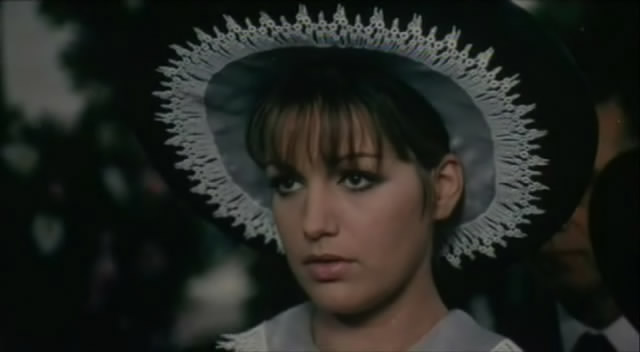
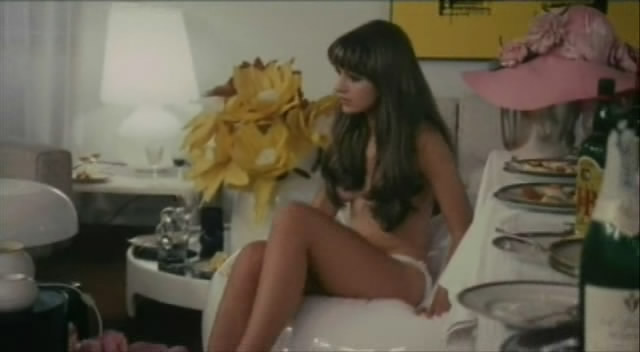
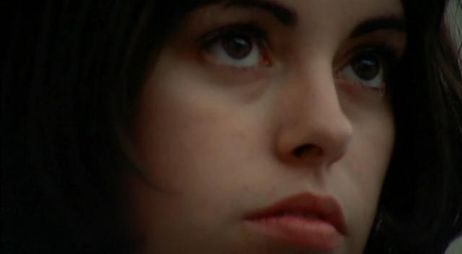
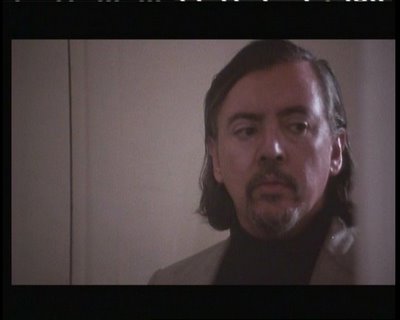
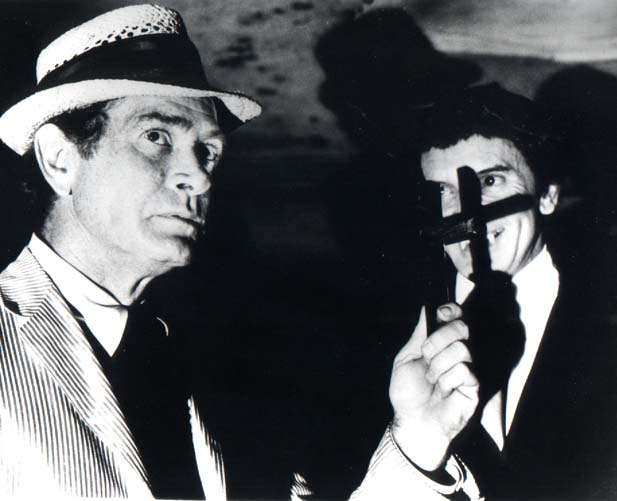
Yowza! What a film! Jess Franco is a genius. So rich with styles, ideas, images, acting, nudity, music! All Franco’s obsessions boil beneath the seemingly calm surface of this mirror. Lina Romay strips nude and kills herself as her sister tries on her wedding gown. The wedding is off and with her father’s blessing (Howard Vernon) Anne ( Emma Cohen) sets off for the city to be a musician. Unfortunately her sister haunts her from any nearby mirror, calls to her to come to her, puts her in a trance where she kills whatever man she’s with, and acts strangely in general. It’s like a fairy tale for adults, full of plot elements from many different genres, all pulpy! It’s like Godard, sort of improvised but not trying to be arty, instead telling a lurid tale that nonetheless pulsates with creativity. There’s a scene in a theater that reminds me of Argento’s Four Flies On Grey Velvet. Everything is grist for Franco’s mill and his unerring eye can set a mood with one or two seemingly banal shots, a flower, a seascape at dusk, home movie material yet in Franco’s capable hands they become images loaded with foreboding. I watched the Italian version of this film which has hardcore inserts cut into it. Even they didn’t ruin it for me. Did Franco cut them in himself? I don’t know. I think this film is great, I’d love to see the other versions but I really liked this one and I love Lina Romay, I don’t want to see someone else playing the dead sister. Check it out if you can find it.

jess4damexz0.jpg

I’d like to take a moment to salute the great Jess Franco. A true Alchemist of Cinema, taking the dross of genre film and turning it into Gold. Making almost 200 films, how cool is that. A multi lingual jazz musician super prolific filmmaker. He may not be wealthy, living in a mansion in the south of France but he is one of the richest men on the planet in terms of his life and his accomplishments. Like the Magus and The Alchemist of old he ignored materialism and “success” and concentrated on what was important to him, creating Pure Cinema in every moment. He has done so more than any other man.

An Amazing moment in Godard’s Breathless

Written by Joe D on March 28th, 2011

breathless.jpg

I just watched  A Bout De Souffle on TCM and I noticed something that struck me as one of the most interesting moments in the film. Jean Seberg is at the airport at a press conference for an author who has just published a book. The author is played by Jean Pierre Melville, the great director and hero to the New Wave. Seberg tries to ask him a question but is overpowered by the other reporters shouting their questions. Finally she breaks through and asks “What is your greatest ambition?” Melville looks at her  through his cool aviator shades and after a beat says “To become immortal, then die.” Godard plays some film noir music on the soundtrack and Seberg breaks the fourth wall, looks directly into the camera as we dissolve to another scene. What a brilliant moment, it is the essence of filmmaking, films will live on far beyond their makers, expressing their thoughts for generations after the artist is dead. That is what Melville/Godard is saying and in a poetic way. Beautiful.

Check it out at 3:18

Melville ,Ventura and Meurisse Interviewed on Le Deuxieme Souffle

Written by Joe D on December 22nd, 2010

title-le-douxieme-souffle.jpg

le-deuxieme-souffle-1.jpg
Here is some rare footage of iconoclastic director Jean Pierre Melville and actors Lino Ventura and Paul Meurisse being interviewed while makingLe Deuxieme Souffle. Melville and Ventura clashed repeatedly during the making of this film, Ventura allegedly vowed never to work with Melville again. But he did although the two artists only spoke through intermediaries never face to face.

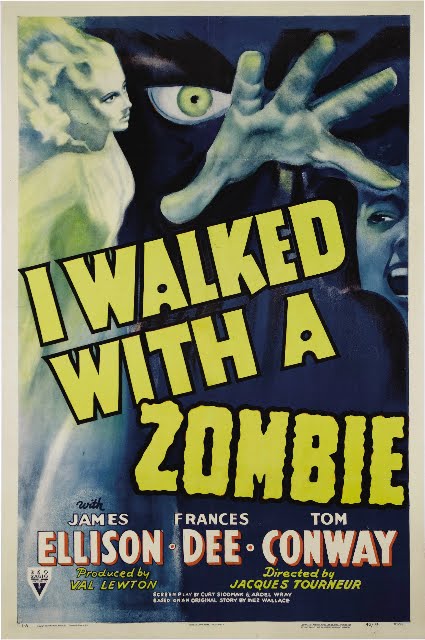
I Walked With A Zombie

Written by Joe D on December 8th, 2010

i_walked_with_zombie_med-daybill.jpg
I went, I watched, I walked with I Walked With A Zombie. It was incredible! Really the best way to see this film is in a big theater with 35mm projection! There is no substitute, you pick up so many more nuances, the atmosphere becomes all pervasive, your psyche is opened up to the incredible images and fantasy pours in through your eyes and ears to your very soul! This is how the makers designed the film to work, they didn’t think about TV or video. To say the least it was a moving experience and it clocked in at a rocket fast 70 minutes!
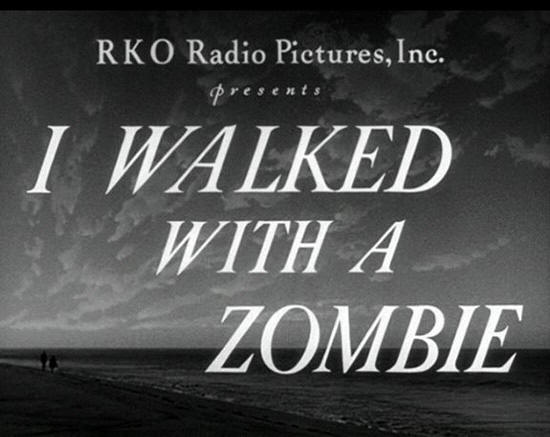
iw-title.jpg
This film is crammed with ideas, Lewton and his team did exhaustive research and it shows, the music, the dancing, the Afro Caribbean culture give Zombie a rock hard foundation on which to build a castle of fantasy and terror. But terror in a Fairy Tale like way, sort of innocent yet savage, ruthless as Nature and as pure. This film is a textbook of studio filmmaking at a peak of artistry. The B&W photography,the lighting, the production design, the process photography, amazingly executed.
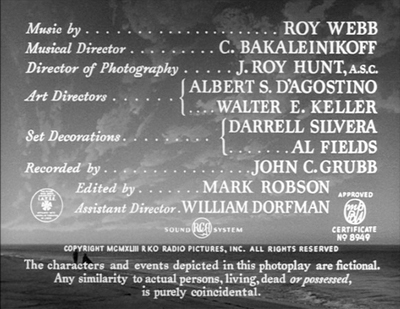
lewt03.jpg

The Great RKO Artisans of Storytelling-P.S. Check out the legal disclaimer at the bottom of the frame for a joke.

We start in Canada, in a Victorian office, snow falls furiously outside the window. Our Heroine (Francis Dee) is ta nurse being offered a job in the Caribbean, one stock shot of a big sailing schooner later we’re on board (thanks to process photography) with the boss of the plantation and his men, who sing a strange island song in the background. The scene here between Francis Dee and Tom Conway is a brilliantly written piece, it expertly sets the mood for the rest of the film. “It’s so beautiful” Dee thinks to herself only to be interrupted a second later by Conway telling her “It isn’t beautiful” Dee answers “You read my mind” , Conway replies, “You see those flying fish, they’re jumping in terror to escape being eaten, that phosphorescence in the water? The putrescent bodies of dead organisms, This is a place of death.” He sets a tone of unease, he unsettles Dee by reading her mind(supernatural), he belittles her naivety, he fascinates her with his honesty. That sets up their complicated relationship for the rest of the film. All in a couple of minutes.
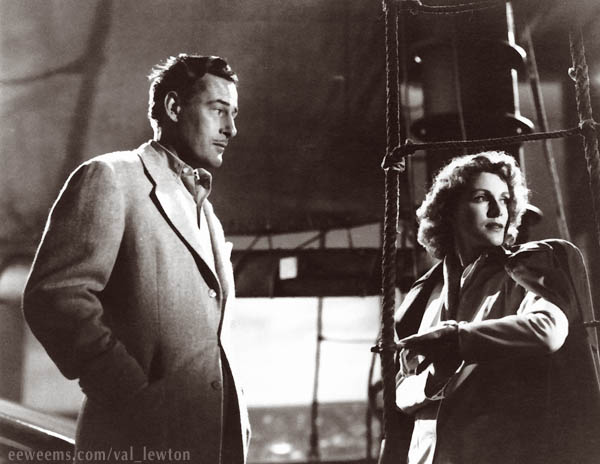
boatside-600.jpg
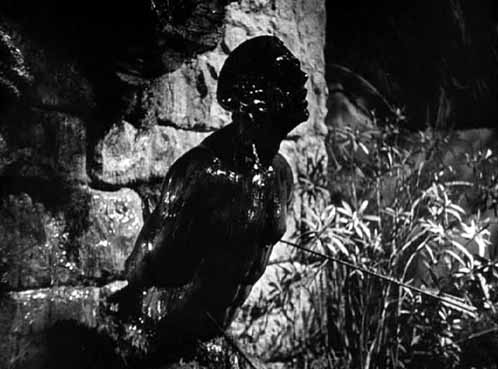
Then theirs a scene in the town of San Sebastian, probably the RKO backlot dressed up by D’Agostino and Keller. They filmed here maybe a day or two at most, it’s used a couple of times in the film but sparingly, you really get the impression that everything was planned out and organized with maximum efficiency, the budget was $134,000! A scene in a buggy (process) as an old black islander drives Dee to the plantation is also illuminating. The driver tells her how the slaves were brought to the island in chains on a ship, the figurehead of which is now prominently displayed at the plantation. “It’s so beautiful here” “He replies “If you say so miss, if you say so” She naively ignores the whole slavery aspect, the inherent inhumanity, brutality, focusing on the lush scenery. Lewton’s comment on Western insensitivity.
67lewtonzombie_head.jpg

Figurehead of St. Sebastian, a representation of the slave based history of the island

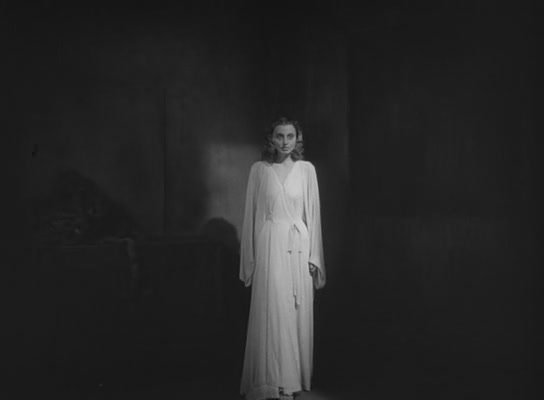
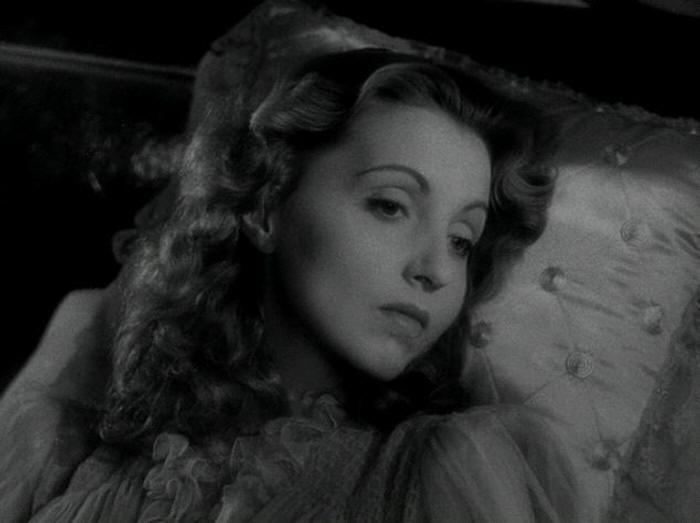
The story continues and some of the high points are, the first night at the plantation, Dee is awakened by a woman crying, she goes out to investigate and enters the Tower where the wife of Ellison is kept. It’s pretty creepy, the tower set is particularly effective consisting of a stone stairway slashing across a black frame. Dee climbs the stairs and is confronted by the wraithlike zombie wife of Conway, Jessica Holland. The zombie advances upon her and I swear they applied a skull like make up to her face, it’s shot in a long shot so you can’t see her too clearly but I want to watch it again and check.
iwalkedwithazombie1943dvdripxv.jpg

iw-2.jpg
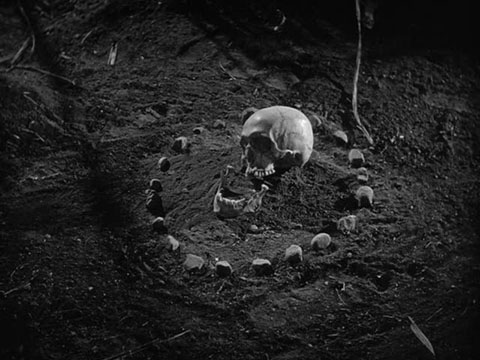
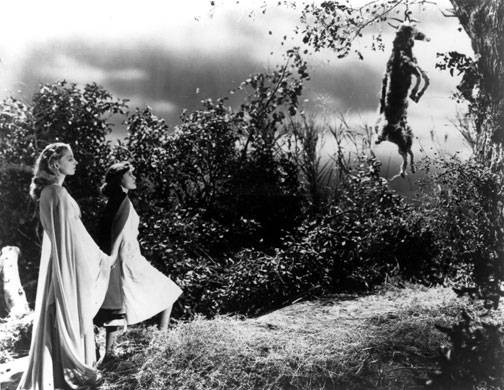
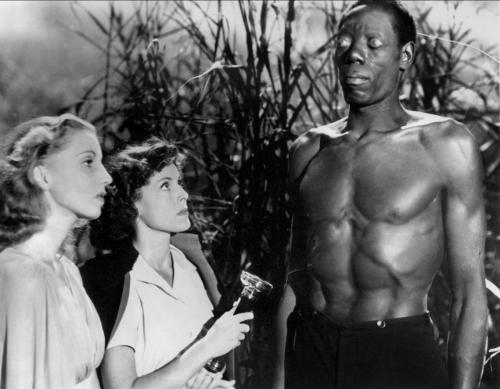
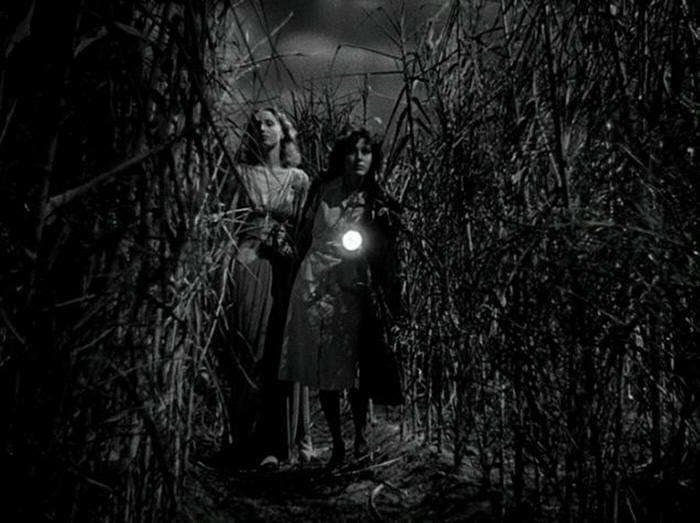
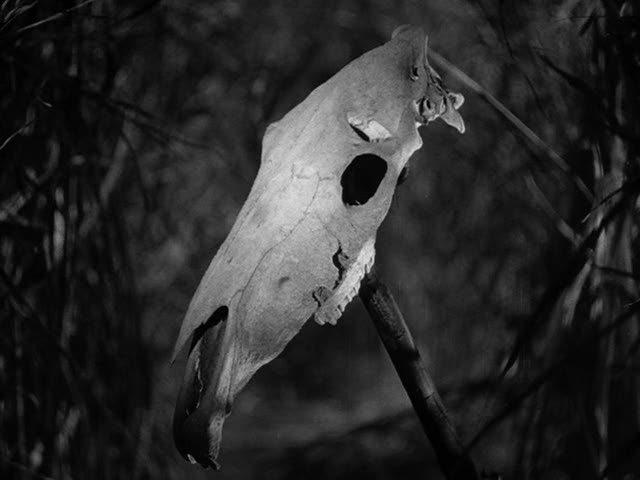
The next great set piece and my favorite scene of the film is when Dee brings Mrs. Holland to a Voodoo ritual, she leads the entranced blonde through a swamp, all artfully created on soundstages, the native drums beat ominously, they come across several talismans , a cow skull, a hanging goat, a human skull and finally a huge zombie guard, he reminds me of Gort from Day The Earth Stood Still.
iw-6.jpg

walkedwithazombie2.jpg

i_walked_with_a_zombie-1.jpg
zombies-i-walked-with-a-z-003.jpg

vaudou-i-walked-with-a-zombie-87692.jpg

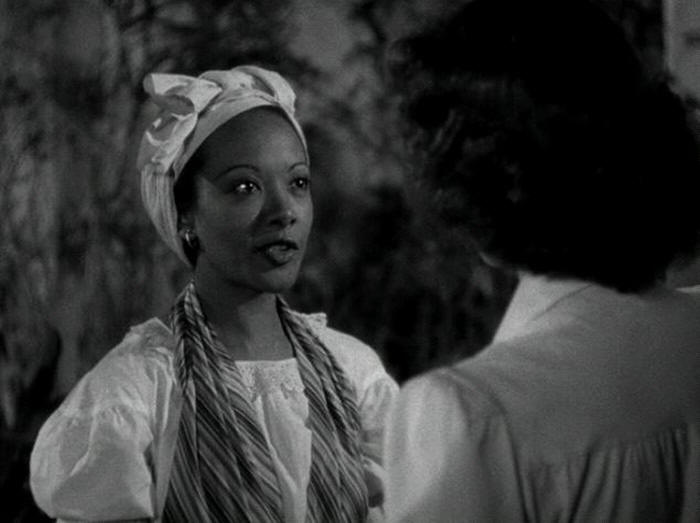
But due to their protective amulets , pinned to them by the maid at the plantation, they pass unmolested. The ceremony is great, excellent music by real voodoo drummers and authentic dancing that must have blown peoples minds back in 1943. Here’s another aspect of this film that added to it’s tabu appeal, the underlying hint of interracial sex, the way the maid wakes Dee up by tickling her foot, the fascination of the voodoo priests for the tall beautiful white zombie. The confession by Conway’s mother that she participated in zombie rituals and was possessed by a voodoo god! This is 1943! Lewton so skillfully implies all this and gets away with it! Genius! Also he employed a lot of black actors, including Sir Lancelot, the calypso singer who Lewton also used in Curse Of The Cat People and Theresa Harris who is wonderful as the maid Alma. She is funny and sexy and appears in Out Of The Past and many other classic films.
iw-4.jpg

The beautiful Theresa Harris-she is the crying woman that awakened Francis Dee on her first night on the Island. She was crying because her sister had a baby. The Islanders cry at a birth and rejoice at a death. The only freedom from their slavery.

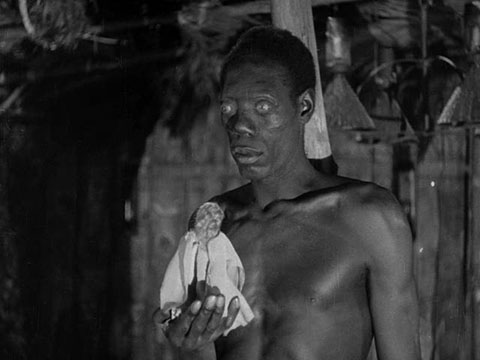
There’s a transitional device used in this film that’s very subtle. I first noticed this technique in Cat People which was edited by the same person, Mark Robson. It’s a sort of a wipe, but it’s as if a black shape passed in front of the lens, in Cat People it feels like a black panther crossed very close to the camera, it creates a subconscious sense of unease, you’re not really aware of what happened, it seems like a quick fade out fade in but it isn’t. Watch Cat People and Zombie carefully and try to catch it. In Zombie it occurs late in the film, a transition between Dee talking to Conway at night at the plantation and Mrs. Holland trying to leave. Somewhere around there. A very subtle masterful stroke that I’ve never heard anyone speak of. The end of the film is a brilliant study in visual poetry, economy of storytelling, and the power of an ending. The drunk half brother kills Mrs. Holland with an arrow from the figurehead in the garden, just as the voodoo priest pierces the doll of Mrs. Holland with a pin.
i_walked_with_a_zombie-2.jpg
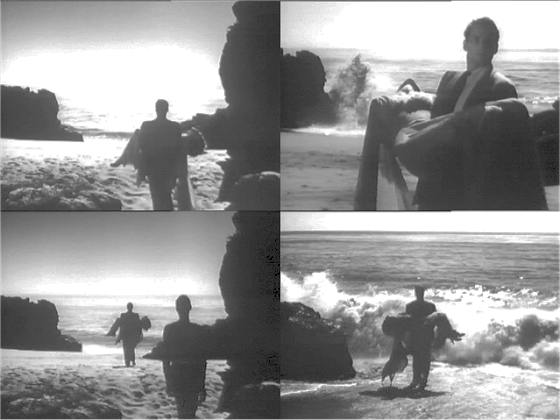
The half brother(James Ellison) carries Mrs. Hollands body away pursued by the giant zombie guardian. He walks into the ocean to escape the zombie only to be swallowed up by pounding waves.
iwalkedwithazombie1s.jpg
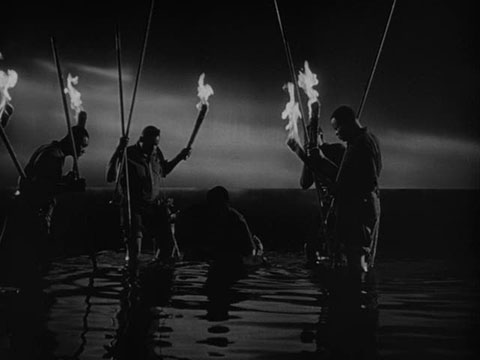
Dissolve to native fisherman spearfishing in the shallows ( a tank on a sound stage artfully lit and decorated) as they fish and sing they discover Mrs. Holland’s body,
i_walked_with_a_zombie-3.jpg

Studio Artifice

dissolve to them carrying her in a funeral procession back to the plantation where Dee and Conway wait. The END! No dialog explaining what happened, no happy ending with Dee and Holland rushing off to get married, we don’t know what they’re going to do, it’s ambiguous and it’s great! As a matter of fact there is no dialog at all in the last 10 minutes of the film! Pure visual poetry accompanied by music! Try that today. All I can say is thank you LACMA for showing this film in a theater, with 35mm projection! And every film lover out there should see it this way, it’s a blessing!
iw-3.jpg

The Night Stalker, Michel Hugo

Written by Joe D on December 2nd, 2010

kolchak4.jpg
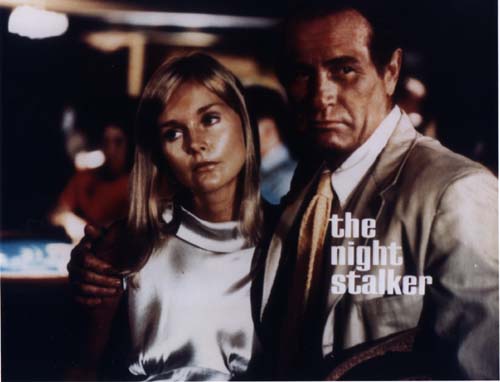
Here’s a TV movie from the 70’s that is a classic. The Night Stalker is about a vampire in 70’s Vegas, how cool is that? The score by Robert Cobert is super funky, wah wah guitars, jazzy drums, just great, one of my personal favorites. Check out the free form jazz when the cops are fighting the vampire by the swimming pool, it’s like Miles Davis’ Bitches Brew! The film has some real talent attached, Darren McGavin stars as Kolchak, The lovely Carol Lynley appears as well. Not to mention Simon Oakland, Claude Akins, and the perennial favorites Ralph Meeker and Charles McGraw! And by Golly Elisha Cook, Jr. is in there too!

ns101.jpg
The script is by the genius Richard Matheson. And the DP is a man I once took a cinematography class from , one Michel Hugo. A very nice French exile living here shooting TV movies, I looked him up and was sorry to see that he recently passed away. He had been teaching cinematography at a college in Vegas, the site of his greatest artistic triumph.

michael-hugo-rip.jpg

R.I.P. Michel Hugo

Charlie Chaplin Directs

Written by Joe D on November 24th, 2010

citylights_1med.jpg
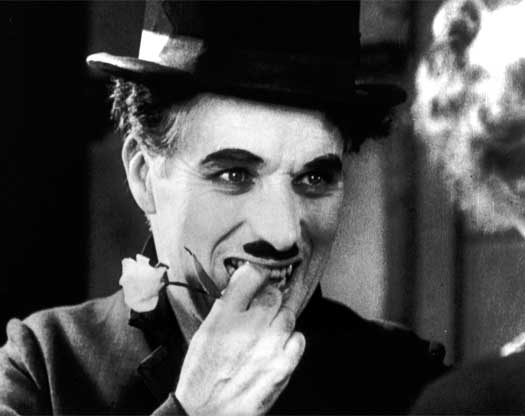
Here is some behind the scenes footage of Chaplin directing a scene in City Lights. I love seeing him working on a location somewhere in Los Angeles back in 1930. Those were the days. Actually now that I look at it closer I think it’s probably shot on Charlie’s lot, his own personal movie studio at La Brea and Sunset Blvd. The building in the background looks like a painted flat.

Phantom Lady

Written by Joe D on November 22nd, 2010

56073010020ocopiavu8.jpg
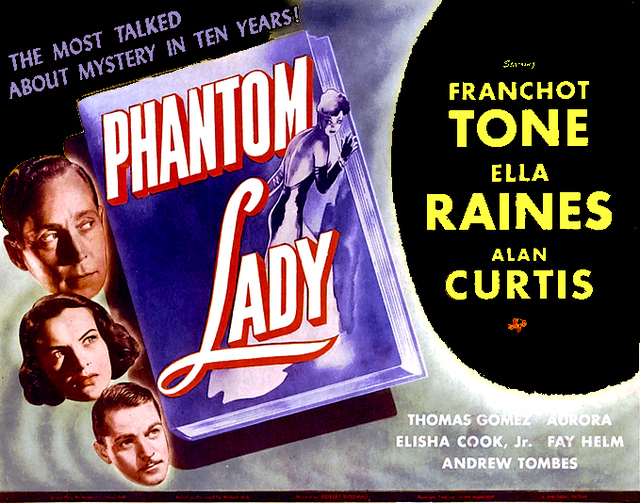
Here for your viewing pleasure is a delicious scene from Robert Siodmak’s Phantom Lady, brilliant, erotic, exciting, all from a 1944 film. Ella Raines, we salute you!

Jean Renoir’s Carola vs. Francoise Truffaut’s The Last Metro

Written by Joe D on September 2nd, 2010

carola.jpg
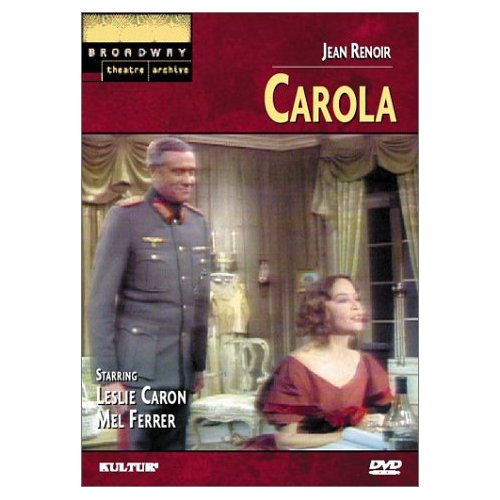
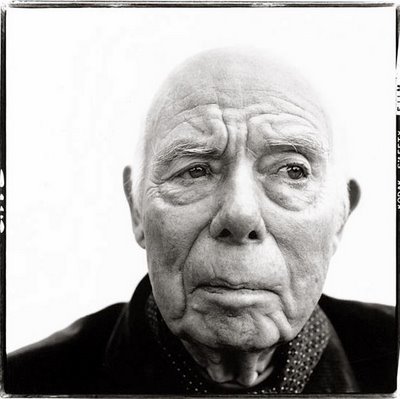
I tracked down a copy of Jean Renoir’s Carola, This is a play written by Renoir that he was going to direct but ill health forced him to bow out and his good friend Norman LLoyd filled in. It’s a made for TV production done for KCET’s Hollywood Television Theater back in 1972, it stars Leslie Caron, Mel Ferrer, Anthony Zerbe, and Michael Sacks. An interesting take on the Nazi occupation, redolent with Renoir’s humanism,some of the Nazi’s are human beings not just robotic killing machines and the worst people in the play are the French members of the Gestapo. The story is set in wartime Paris in an old theater during the performance of a play.

avedon_jean_renoir_r_alisateur_beverly_hills_californie_11_mai_1972.jpg

Francoise, you ripped me off!

Leslie Caron is the star of the play and almost all of the action takes place in her dressing room during the intermission between acts and after the play. Leslie is beautiful in the part of an actress on the other side of ingenue-hood, caught up in an offstage drama revolving about her many lovers, there’s Gen. Von Clodius (Mel Ferrer) her first true love from years ago now an occupying General seeking an audience with his ex-lover, Anthony Zerbe (a terrific actor and one time Citroen owner) the director/owner of the theater and Carola’s current bedmate, and Henri Marceau(Michael Sacks) a naive young Freedom Fighter, who risks his life for an autograph from his favorite actress, the woman he’s loved from afar, Carola. The spirit of this piece is closely related to Renoir’s masterpieces Grand Illusion and Rules Of The Game, Illusion for it’s gentleman officer (Erich Von Stroheim) and Rules for it’s frank sexuality. Carola has had many lovers since her first affair with Von Clodius and Zerbe even says to her “If you won’t speak to anyone you’ve slept with you’ll be all alone” or words to that effect. The life of an actress in Paris of that time was a promiscuous one. This play is really about love, different shades of it, and what love means to all involved, innocent, jaded, idealistic,etc. The center of this malestrom of passion is Carola, desired by everyone, each for his own reason, even desired by the Gestapo colonel who appears late in the play and praises Carola for her “proof of Aryan supremacy”. The occupation provides only a background to these passions and it creates a situation where normal people are put to the test, where their core values are under pressure and they can cave in or pay with their lives. The surprise is which ones do just that.

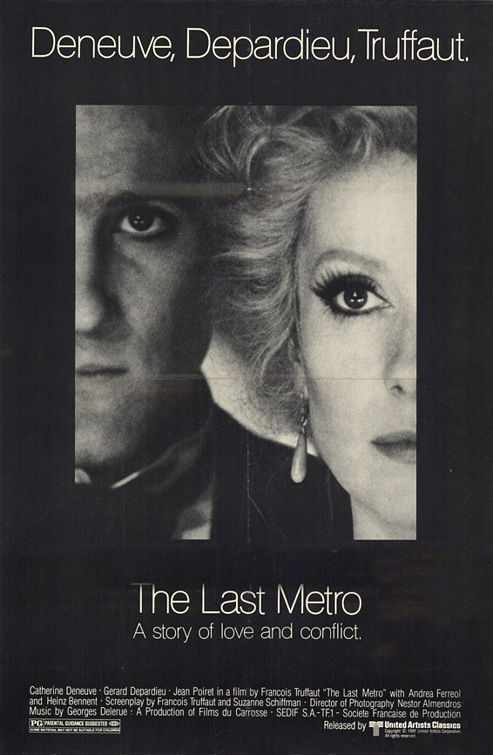
last_metro.jpg
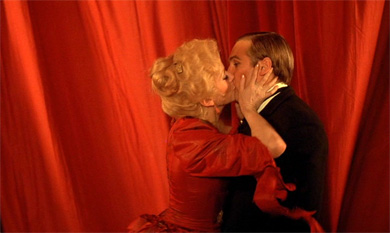
The Last Metro was released in 1980, 8 years after Carola. It too takes place in a theater during the occupation of Paris by the Nazi’s. There are some striking similarities, Catherine Deneuve is the star of the plays put on at the theater, she is desired by Nazi’s and idealistic Freedom fighters( Gerard Depardieu), the war is once again a kind of backdrop for the lives, passions, both real and petty, of the actors and personnel of the theater. Almost as if the war didn’t exist outside of the difficulties it created for the players, food, electricity, threat of being shut down by censors. Anthony Zerbe has a wonderful speech in Carola where he describes all life outside the theater as being less real to Carola than the parts she’s playing onstage, a real insight into both films. The main difference is the character of Steiner in Metro. He is Deneuve’s Jewish husband, director and owner of the theater. He is hiding in the basement of the theater, listening to the performances(and perhaps his wife’s infidelities) through an air vent.

the-last-metro-truffaut.jpg

Kiss me louder so my husband can hear!

For some reason I never bought into this character, something seemed false to me about him, I couldn’t quite put my finger on it. Only later when I read a biography of Truffaut did I get an understanding. Truffaut was a bastard, I mean he was born out of wedlock, his mother married soon after but the man she married was not his father. Years later when Truffaut was preparing a film he worked with a private detective on some research, then he asked the detective to find his real father. The man did so and Truffaut found out his real father was a Jewish dentist living in a nearby town. The sudden revelation of his own Jewish roots struck Truffaut like a thunderbolt. He was conflicted, he had an identity crisis and I think this is why the character of Steiner is so unsatisfying. Truffaut even hired a Jewish writer to work on Steiner’s part in the script, to assure him of it’s “Jewishness”. And to top it off the actor he hired to play Steiner (Heinz Bennent) wasn’t Jewish!

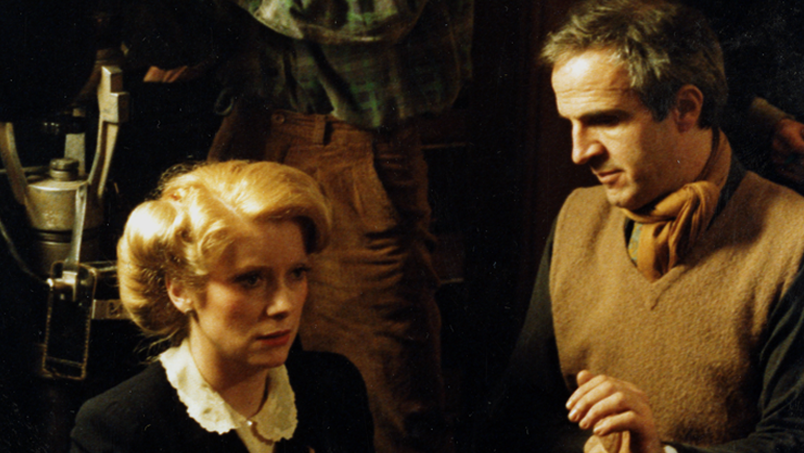
current_699_0023.png

Catherine, do it more like Leslie Caron.

Truffaut took Carola opened it up in a more filmic manner (scenes outside the theater) transplanted his personal conflict about being Jewish into it and made a film. A very successful film, I might add, a real crowd pleaser, happy ending (unlike Carola) less realistic depiction of the sex lives of it’s protagonists, a bunch of cute eccentric characters. As a matter of fact several times in Carola one of the characters refers to the fact that due to delays, that night’s performance of the play will run longer, causing the audience members to be late, miss the last metro ( subway) and violate curfew. Truffaut even got his title from the text of Carola! The final scene of Metro reminds me of Zerbe’s speech where the play and reality are purposely confused, which is more real to the actor? A final note, Leslie Caron, a friend of Truffaut and Renoir was so incensed that Truffaut gave no credit or even mentioned Carola and Renoir in regard to Metro that she never spoke to him again.

Trailer for The Last Metro

Norman Lloyd speaks on Carola

Eli Wallach to get Academy Award

Written by Joe D on August 26th, 2010

09_large.jpg
Well, well, well. It’s about time! The guy is 94 years old and more deserving of an Academy Award than anyone on the Planet! Remember fans of Film Forno you saw it here first! We started the Give Eli Wallach an Academy Award campaign right here on Film Forno over 1 year ago, Don’t remember? Well looky here. Hats off to the Academy for honoring a great artist and a great human being.

Clouzout’s Inferno

Written by Joe D on July 17th, 2010

inferno11clouzot-and-schneider-lst067623.jpg
Here’s some experimental footage shot by Henri-Georges Clouzout from his abandoned film Inferno. Romy Schnieder is beautiful and the visuals are stunning. A documentary about this lost film is being released right now, it’s playing in New York and will open soon in Los Angeles.

Prepare to be Mesmerized.

And here’s the trailer for the Documentary, in French.

Vonetta McGee 1945-2010

Written by Joe D on July 15th, 2010

vonettamcgeees.jpg
The lovely Vonetta McGee has passed on to the next dimension. Luckily for us trapped here on Earth we can still enjoy her beauty projected on the Silver Screen. She got her break appearing in Sergio Corbucci’s Il Grande Silenzio, a top notch Spaghetti Western, and she is an amazing presence in that film.

poster.jpg
A gorgeous Black woman in a Western! Corbucci had vision, it’s no wonder that he is one of Quentin Tarantino’s favorite directors. Vonetta also appeared in The Eiger Sanction playing against another veteran of the Italian western, Clint Eastwood.

972b685e4edc2b5b582f3bd2cb021.jpg
Alex Cox, a huge fan of Il Grande Silenzio and an expert on Spaghetti Westerns cast Vonetta in his cult hit Repo Man probably because she was in The Great Silence.

user1367_1167637825.jpg
She is also in a film of gigantic cultural significance, Blacula.

poster-blacula.jpg
Goodbye Vonetta, we will all miss you. Maybe Quentin will put together a retrospective of your films and screen them at the New Beverly or The CineFamily. I think that would be Super Cool.

Gone With The Pope to screen at the New Beverly

Written by Joe D on July 13th, 2010

sammypetrillo.jpg
Damn, I wish I could go see this film tonight but I’m working! Duke Mitchell’s lost film,Gone With The Pope,finally finished by Bob Murawski will unspool at the super cool New Beverly Cinema tonight July 13th at 7:30 pm. The story goes that Murawski tracked down Duke’s son and was given 10 boxes of film, some notes and a VHS copy. He began working on it in his spare time and now it’s ready. Hats off to Bob for dedication and perseverence and honoring the work of a deceased filmmaker. A Great Accomplishment! Duke Mitchell had an act in the 50’s with Sammy Petrillo, they were like Dean Martin,& Jerry Lewis clones, they made one film Bela Lugosi Meets A Brooklyn Gorilla before a lawsuit put an end to their act. So thanks to Murawski and his partner Sage Stallone for resuscitating this lost gem and their Grindhouse Releasing for getting it out.