


Edgar G. Ulmers Bluebeard
Written by Joe D on June 22nd, 2026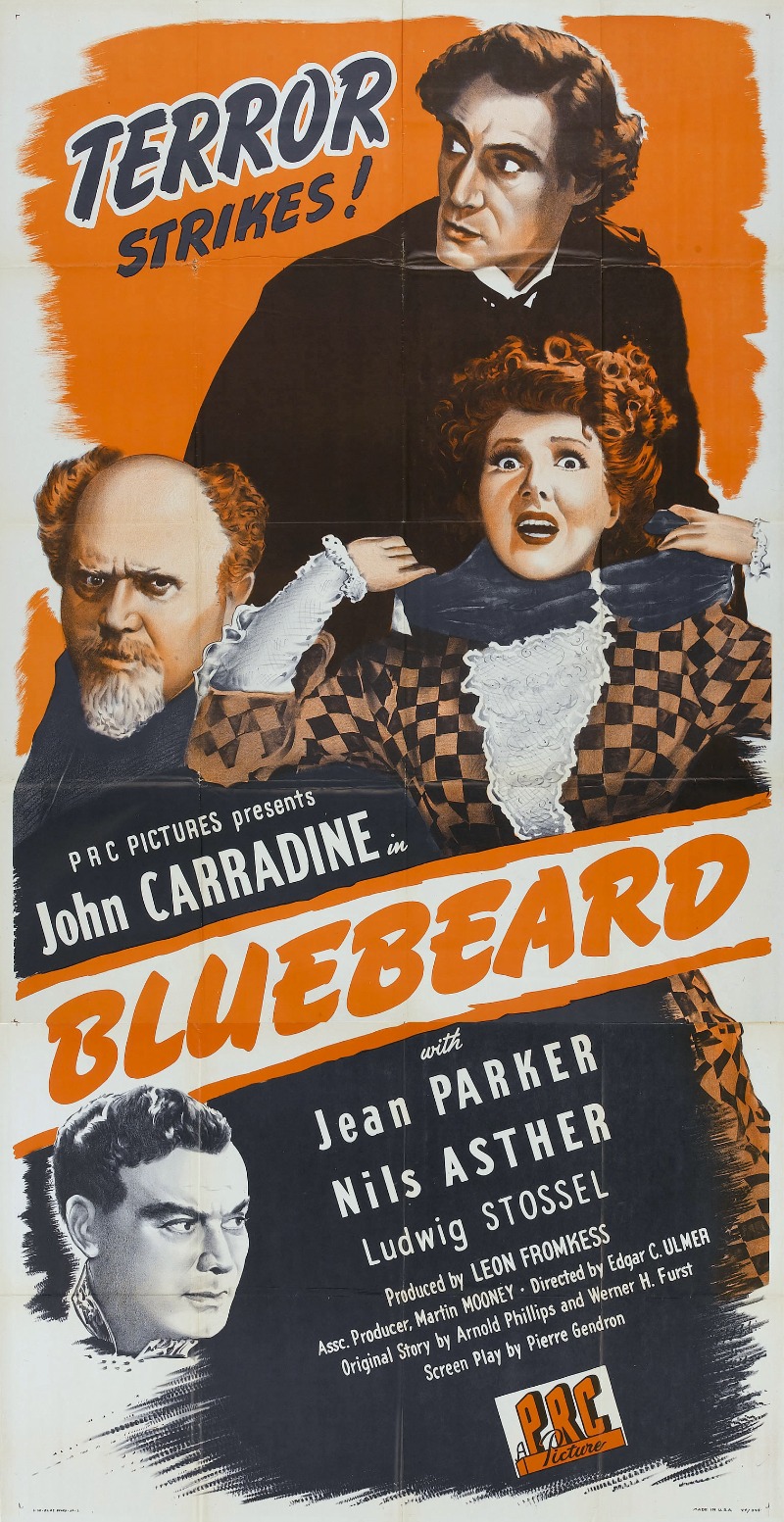
I just watched Edgar G. Ulmers film Bluebeard. It is a classic example of doing a lot with a little. A period piece set in 19th century Paris. It stars John Carradine as Bluebeard. I think it’ s his best performance of all time. Most of the time he was reduced to playing a jerk, a sidekick, a nut. Here he is the handsome leading man, even though he is a psychotic killer. Bravo to Mr. Carradine.
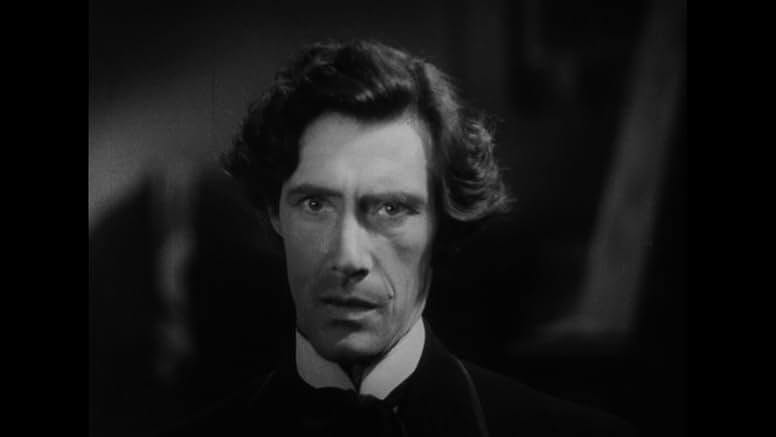
Carradine plays a mad artist, a painter who turns to puppetry when he can no longer paint. The marionettes in the film are outstanding. There is a whole section of a puppet performance in the park and it is great! I noticed in the credits one of the two puppeteers was a Robert Baker, who later went on to open the world Famous Bob Baker Marionettes Theater in Los Angeles.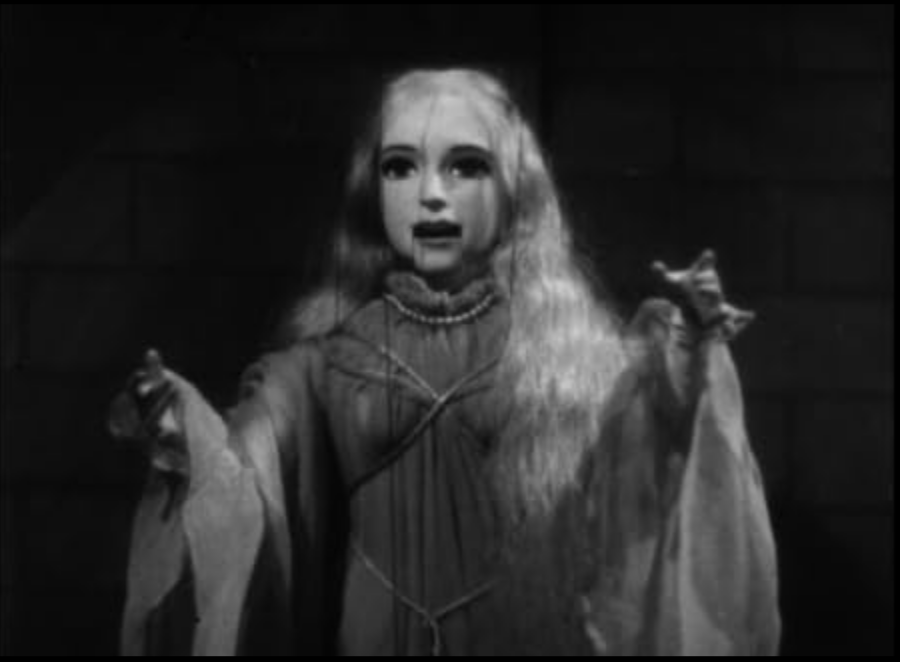
The film is photographed by Edgar’s old friend from Germany, Eugene Schufftan. Schufftan is not credited as D.P. because he was not in the Union so he got Production Designer credit. Ulmer always wanted to use him as he was an incredible CameraMan. Check out Robert Rossen’s The Hustler. Schufftan also invented an in-camera optical effect called The Schufftan Process. Where you scratched off a small section of a mirror, photographed the reflection of a miniature set in the mirror and had your actors standing far enough behind the mirror to fit in the opening you scratched away. Thus creating the illusion that they were standing on the parapet of a Castle or in front of a renaissance building.
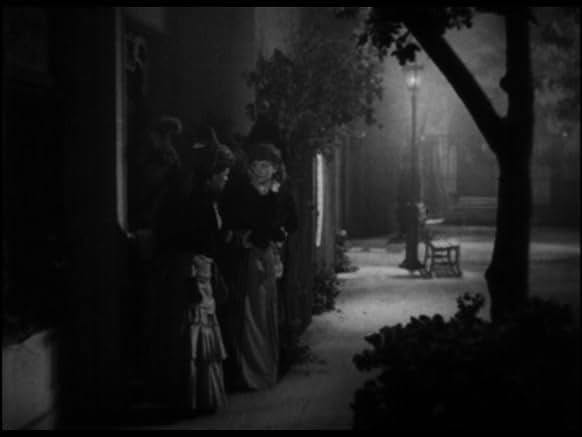
But back to Bluebeard, the use of shadows and pools of light creates an indelible atmosphere, reminiscent of candle light and Gas lamps on the streets, at the same time it puts a lot of the scene in shadow, limiting the amount of Period details you need to show and saving you money. Low Budget filmmakers pay attention, learn from a Master. There are some wide shots of Period Paris but I assume they are opticals, matte paintings or hanging miniatures or whatever. This film accomplishes a lot on a small budget. I recommend it to everyone. Peter Bogdanovich interviewed Ulmer at length. You can read it in Who The Devil Made it a book by Bogdonovich.
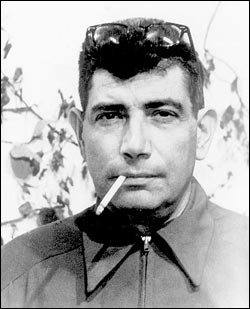
Edgar G. Ulmer