More Orson- interviewed about Kane and other things.
Written by Joe D on March 21st, 2016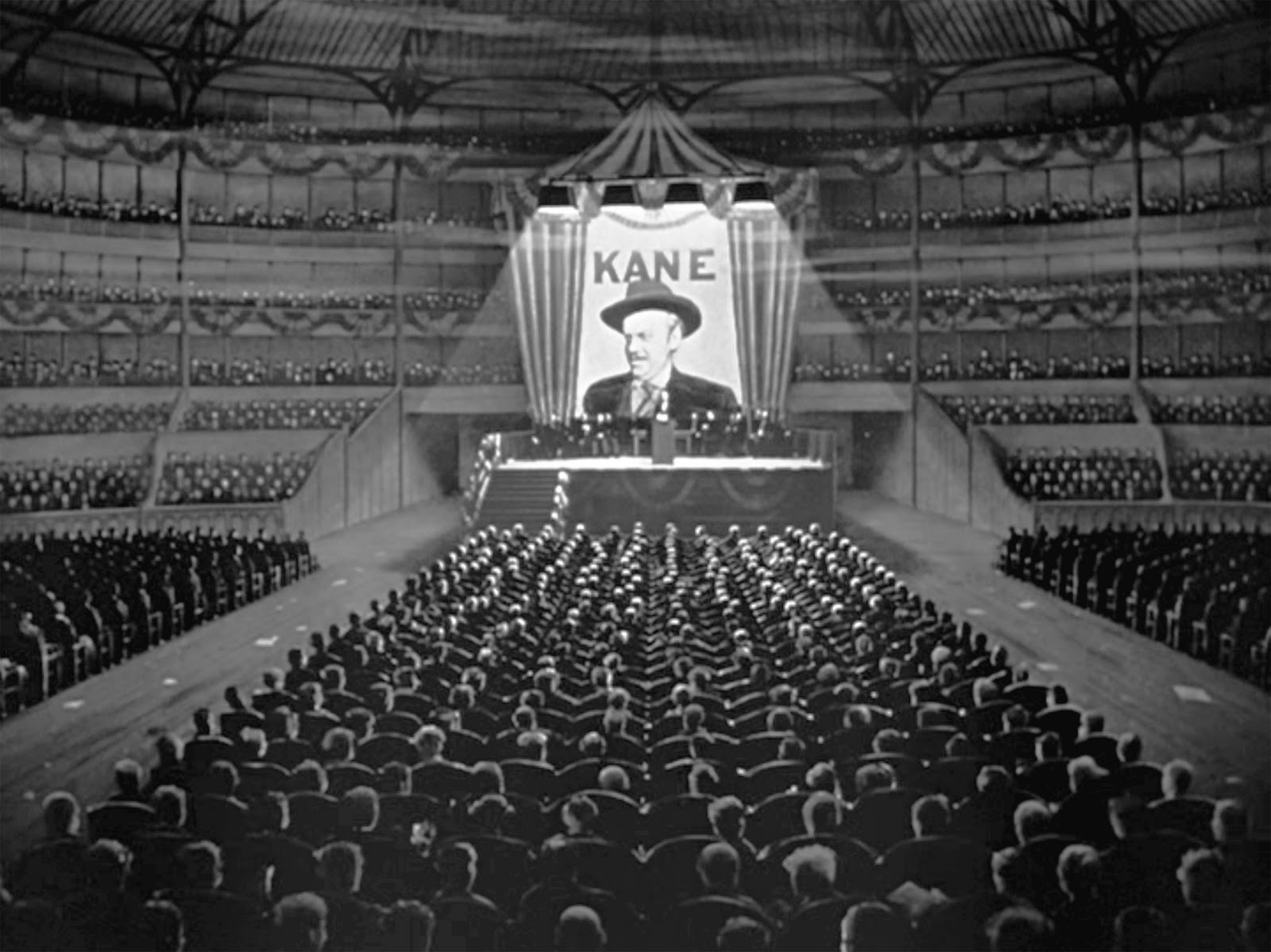
Here’s a great interview with Orson Welles from 1960. A lot of great insights, check it out!


Here’s a great interview with Orson Welles from 1960. A lot of great insights, check it out!
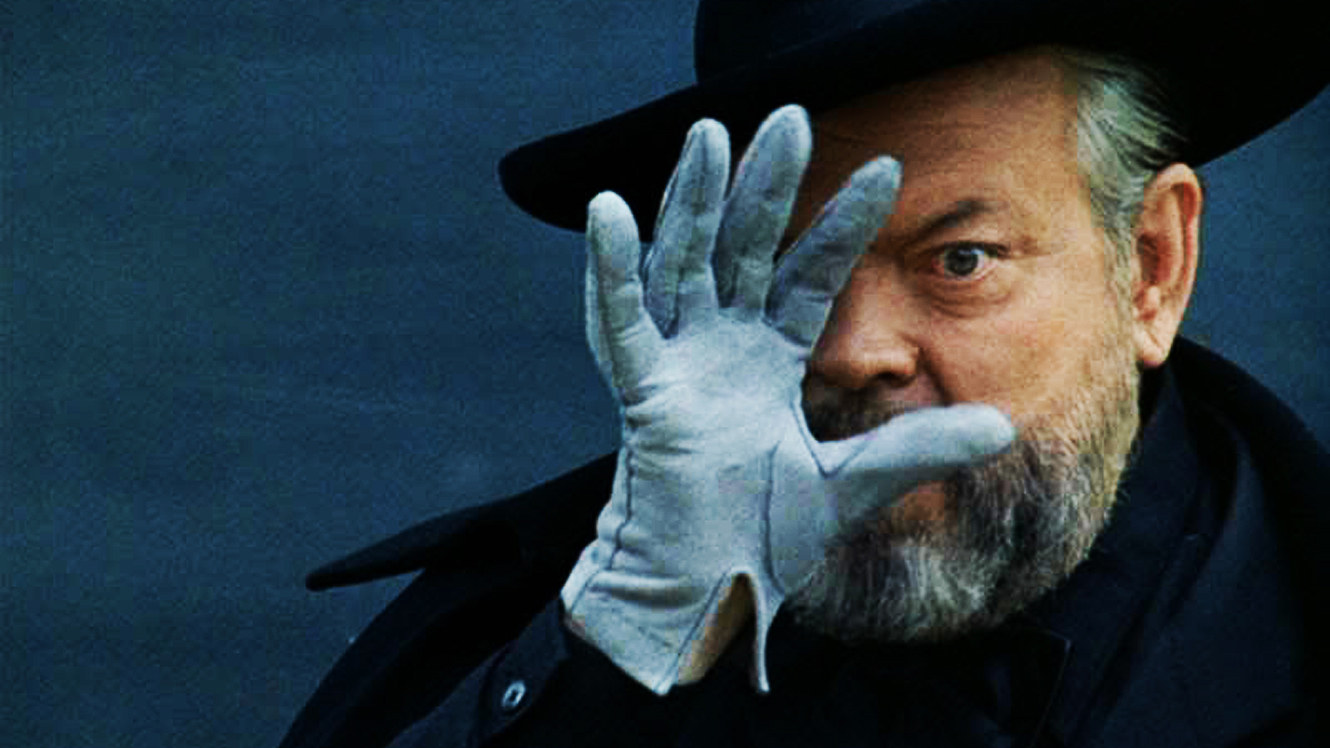
Check this crazy pilot Orson did in the 50’s , it is insane but definetly a precursor to his film F is For Fake.
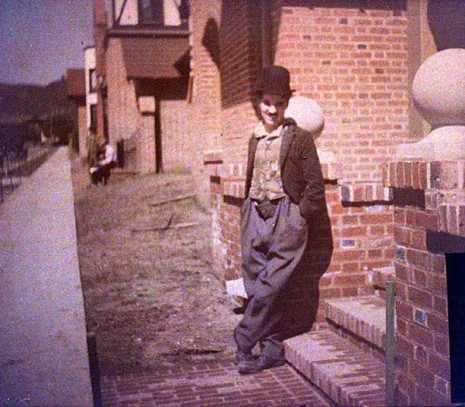
Here’s a film of Chaplin’s Hollywood Studio being built then used by C.C. to make films. Also we get to see Charlie in his editing room, very interesting, the shots are rolled up and put on a shelf for him to choose from, this is how we edited on upright moviolas.
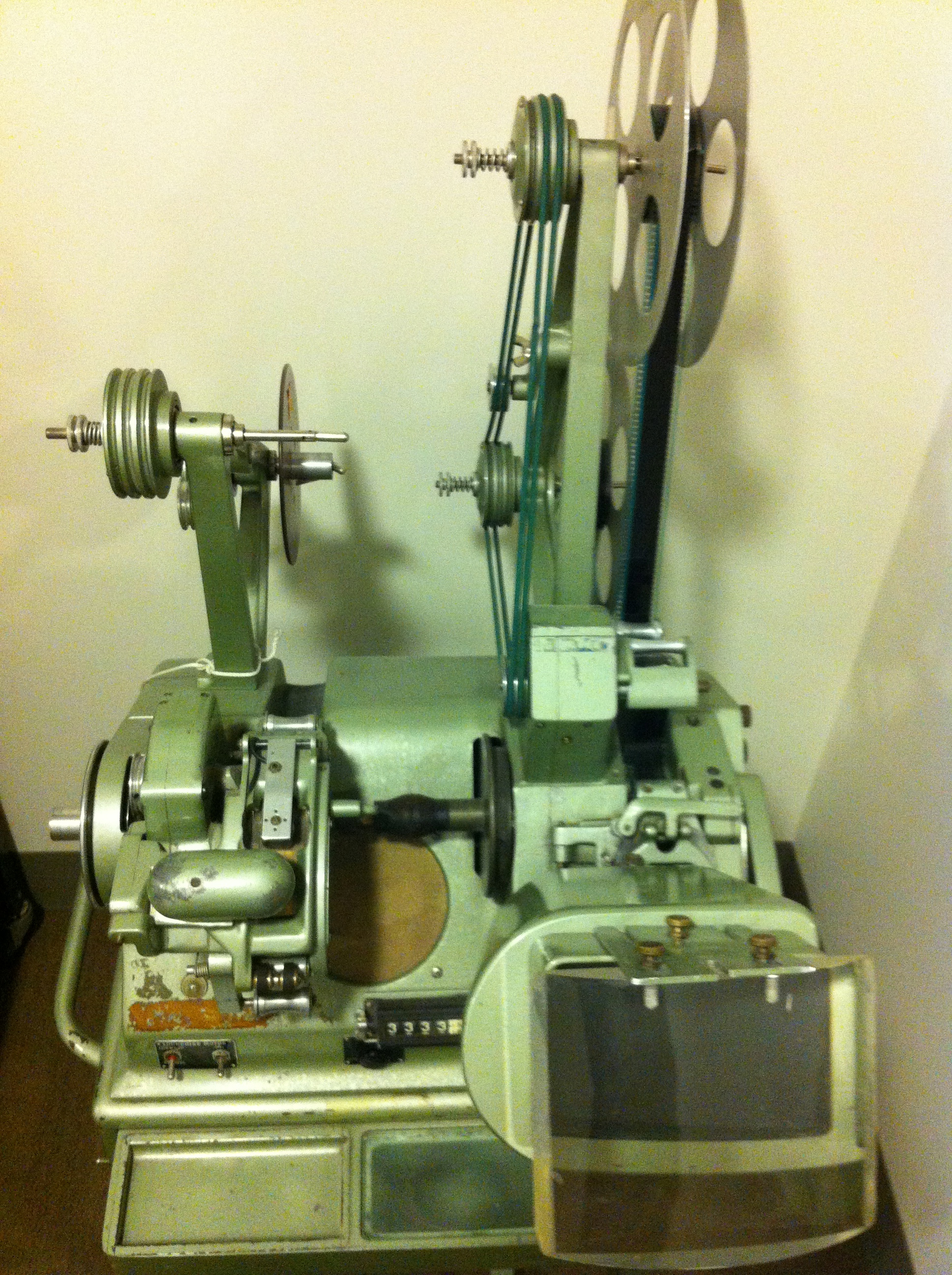
The dailies woud be broken down into single takes, rolled up so the editor could get them quickly and feed them into the Moviola. Anyway a fascinating glimpse into the world of a genius filmmaker and a time warp rolled into one.
p.s. This version has voice over by Charlie, obviously added much later.
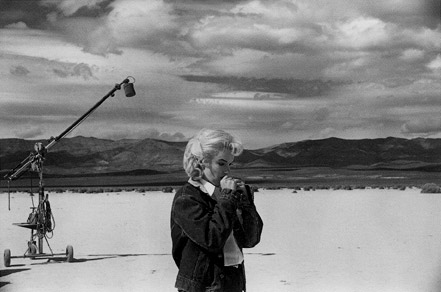
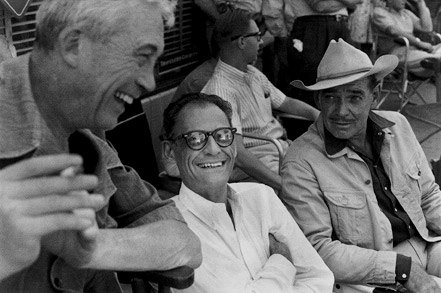
Here’s a wonderful documentary about the making of The Misfits, a classic B&W film. What an amazing collection of talent! Arthur Miller, John Huston, the cast, Marilyn Monroe, Clark Gable, Monty Clift, Eli Wallach, Thelma Ritter, the brilliant crew including the genius cameraman Russell Metty and the spectaculer editor George Tomasini.
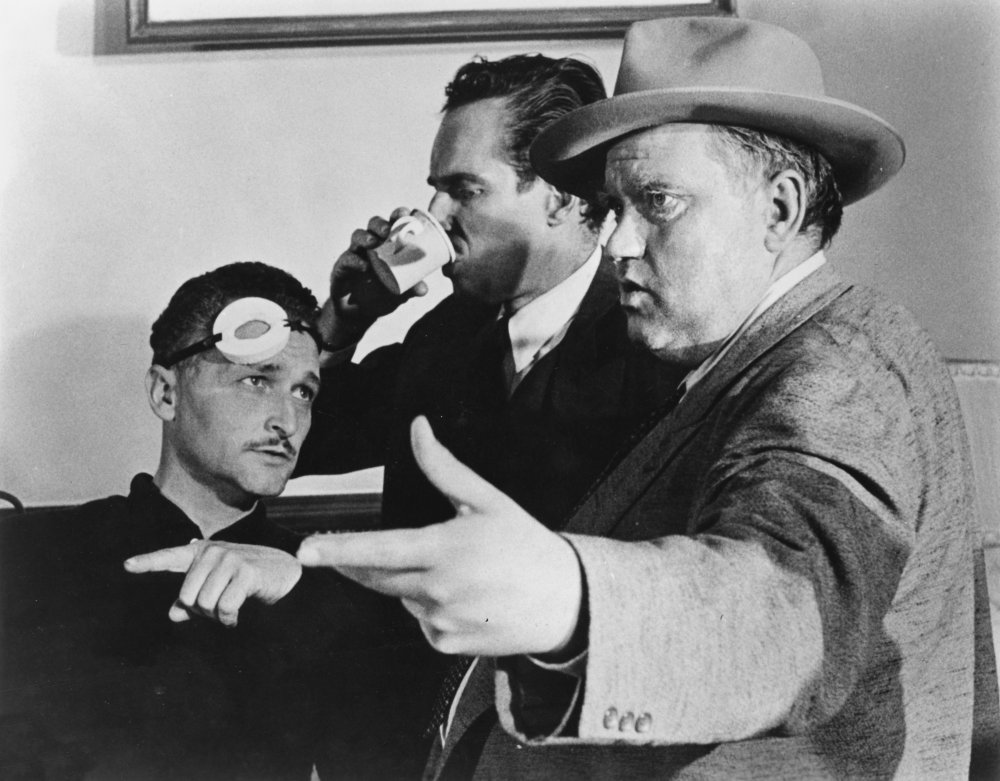
Russell Metty with Orson Welles
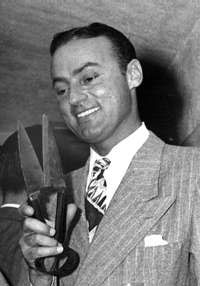
The Great George Tomasini
What a group. Out in the middle of nowhere making an existential Western. Wow, I wish I could have been there. I first saw this film back on the WOR Million Dollar Movie, it fascinated me as a young movie nut. I loved Marilyn and I had never seen Gable in a movie like this. The incredible cinematography blew me away, especially the mustang catching sequence. Metty had shot such masterpieces as Orson Welles Touch Of Evil, Douglas Sirk’s Magnificent Obsession, Kubrick’s Spartacus, to name a few. George Tomasini was best known for his work with Hitchcock, including, Vertigo, Psycho, Rear Window and North by Northwest. One of the greatest editors of all time. Anyway here is Part one of the doc. Check it out.
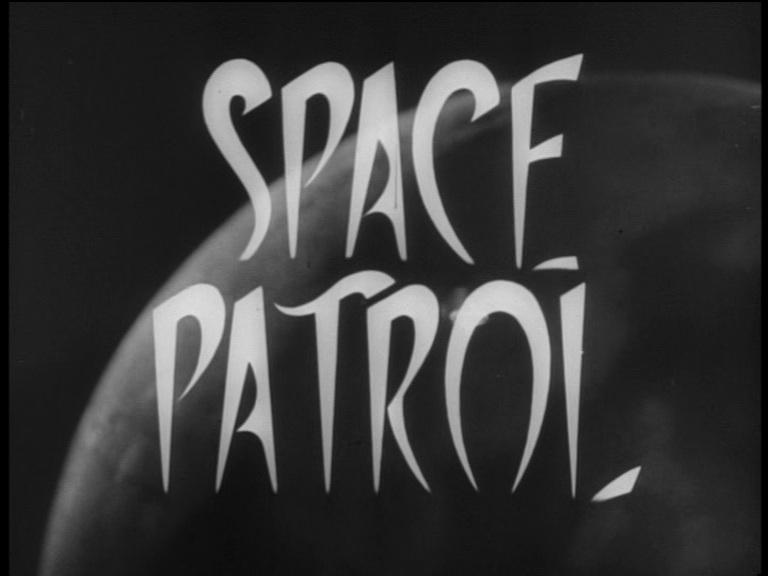
Here’s a great futuristic TV show I loved as a kid, Planet Patrol. Incredible sets, amazing music, and kind of ultra violent stories. Check it out. Th e sets at the end of Highway of Tomorrow reminded me of the futuristic city in Planet Patrol.
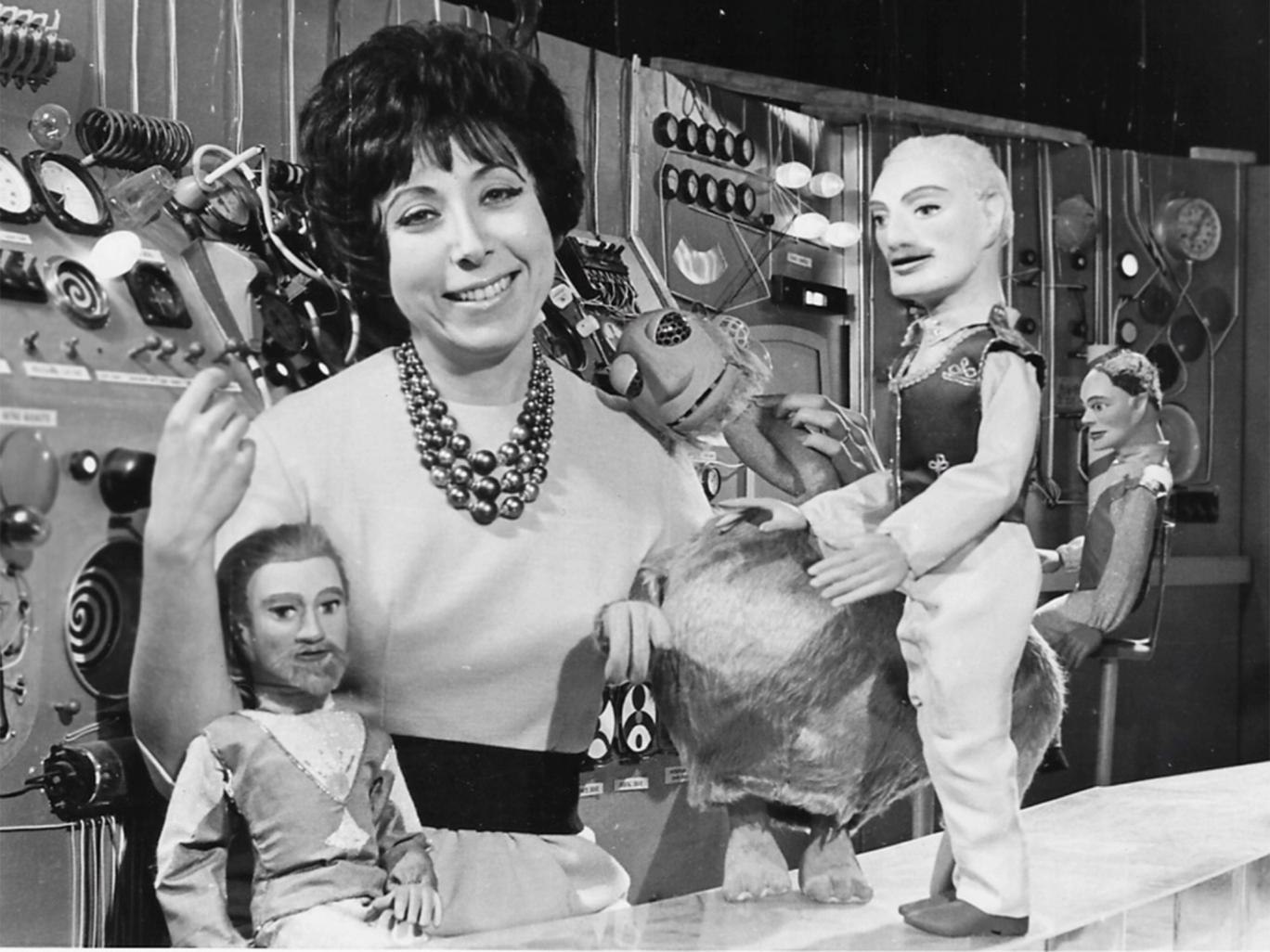
The Amazing Roberta Leigh, creator of Space Patrol
Drop some acid and check this out.
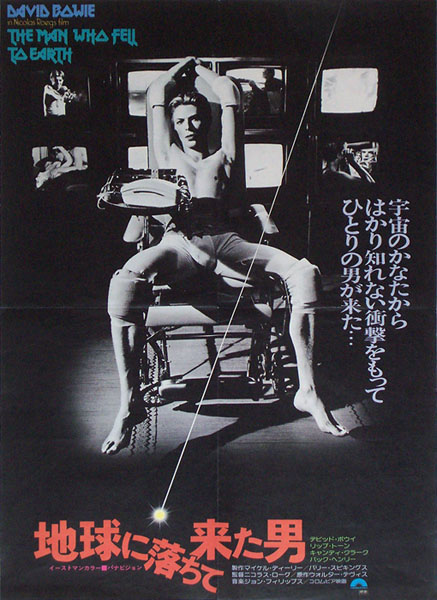
Here’s a great little documentary about the soundtrack to Nic Roeg’s The Man Who Fell To Earth starring David Bowie in his greatest role. I always really liked this soundtrack, John Phillips came through big time.
Video Essay: The Man Who Fell to Earth from Film Comment on Vimeo.
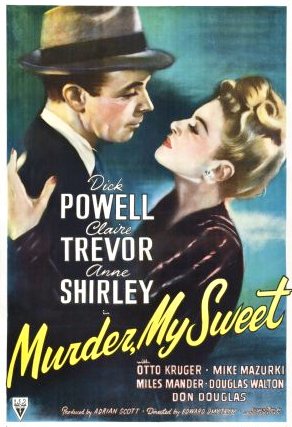
I love Raymond Chandler’s writing. It was one of the things that made me want to move to Los Angeles. Here’s a movie based on Chandler’s novel Farewell My Lovely. They changed the name to Murder, My Sweet because it was Dick Powell’s first non-singing, dancing role and they didn’t want the public to think this was a musical. I always liked this movie, it’s Studio filmmaking at it’s crazy noir best.
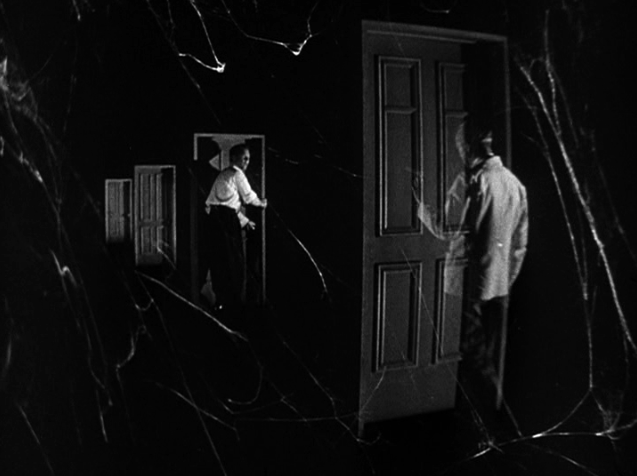
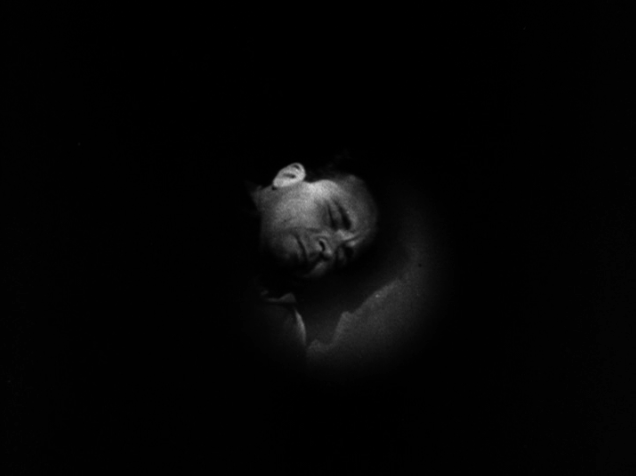
Some excellent montages credited to Douglas Travers, classic stuff, the sequence with the ever smaller doors influenced the opening of The Twilight Zone and there are some great opticals, whenever Marlow gets slugged he falls into an optically printed pool of inky blackness spreading out by his feet.
There’s also double exposed frozen smoke over a section of the film, that image was taken right out of the book and it works nicely.
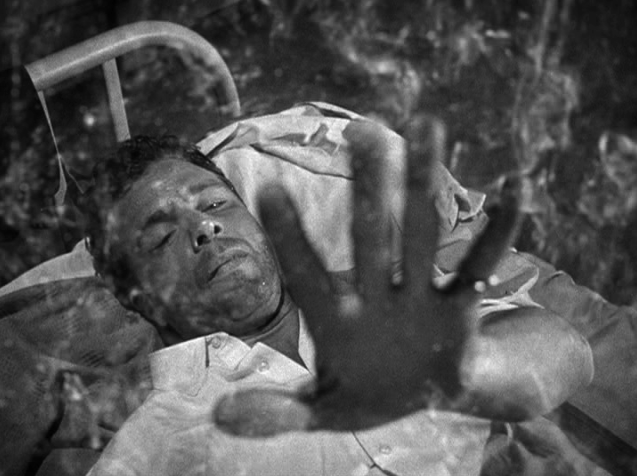
Also Moose Malloy (Mike Mazurki) is revealled reflected in the window glass of Marlow’s office by the blinking of an sign on the exterior of the building. A nice touch.

The set-ups can feel a bit hackneyed but I still enjoy the hell out of this flick. The sequence at the fake sanatarium is priceless and oft repeated in other films. it is interesting to compare this film with D.O.A., both are bookeneded by the protagonist telling his story to a police detective at the station house. Murder is a studio production, RKO to be exact, D.O.A. is an independant film made mainly on location, with a lot of on the street photography, kind of proto New Wave. Anyway if you haven’t seen it you’re in for a fun time. It’s a classic tale, Chinatown rips it off, every L.A. detective movie was influenced by it. The one change I didn’t like was making Florian’s bar a white joint. It’s on Central Avenue and is a Black owned bar in the book. It makes the scene of Marlow and Malloy trying to get info on Velma even better, more tense. I’m sure the Black actors could have used the work!
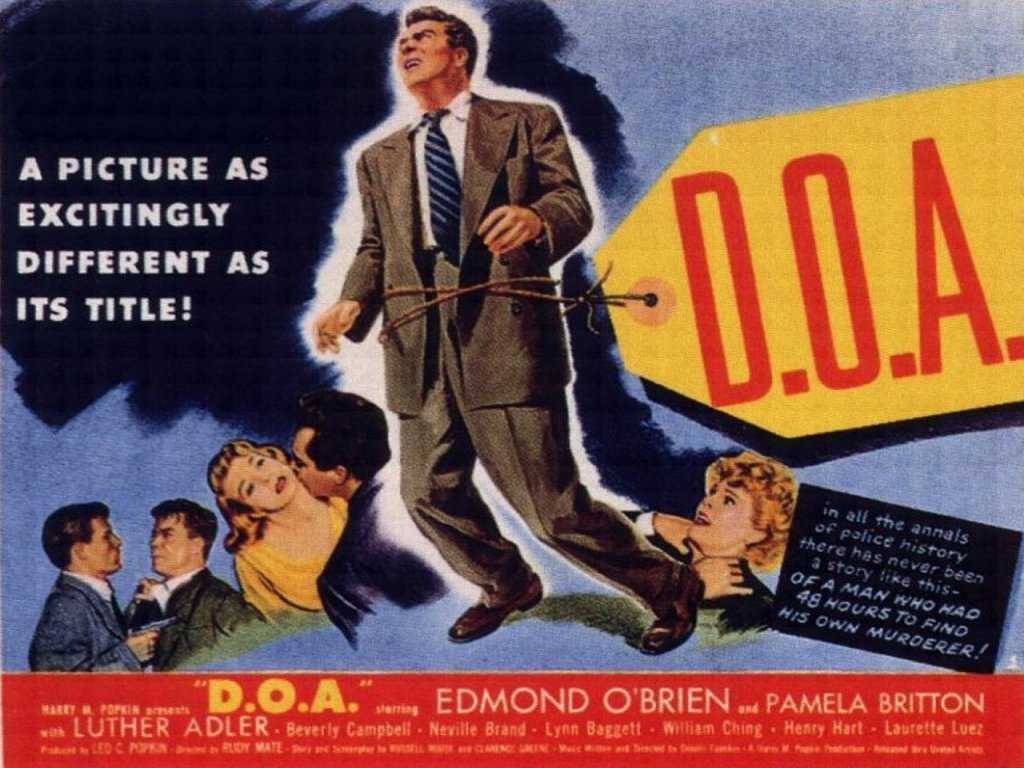
This is a classic movie, iconic L.A. locations, a twisted noir plot, amazing San Francisco street footage, a crazy bebop Jazz sequence and Neville Brand. Where to begin? Well I had a friend in town visiting frome Rome, Italy that is, Trevi Fountain, Cinecitta. Anyway I wanted to show him around downtown L.A. and one of our stops was the amazing Bradbury building. Most people recognize it as the location in Blade Runner, where Harrison Ford fights Rutger Hauer but I think equally as important a use for this location was in D.O.A.
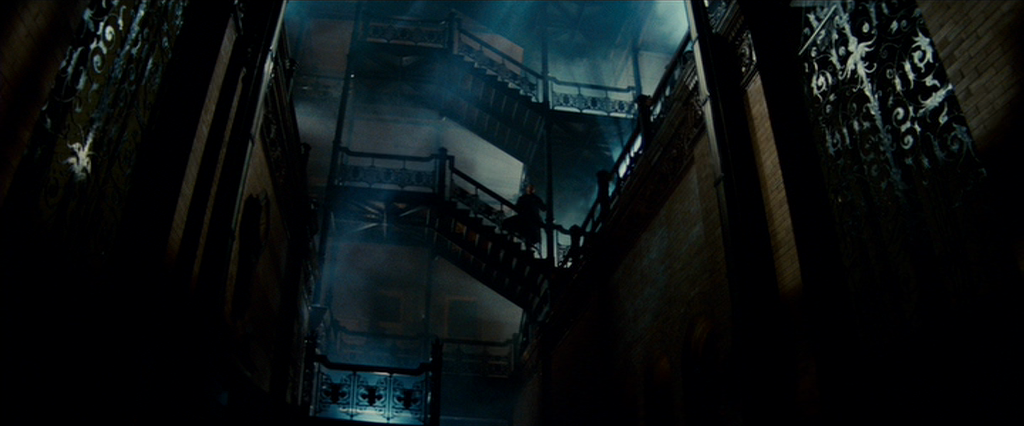
I recommended to my Italian friend that he watch D.O.A. and see how the building we just visited was used in that film. I wound up watching it again and I realized that Russel Rouse was one of the writers and Harry Popkin was the producer.
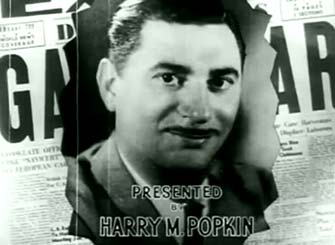
These guys were responsible for some of the hippest 50’s noir to hit the silver screen of your local drive in. I did not know they were part of the D.O.A. team. Popkin and Rouse worked on The Well, a searing indictment of racism, ahead of it’s time and The Thief. Rouse made Wicked Woman, a film I recently wrote about. So that got me re-interested in D.O.A. , Let me just vsay it right out front I am not a big fan of Edmund O’Brien, but his scene chewing style works pretty well at times in this film and he runs like no one in Cinema! His frenzied run for your life performance on the streets of San Francisco, crashing into innocent bystanders is a highlight of the film.
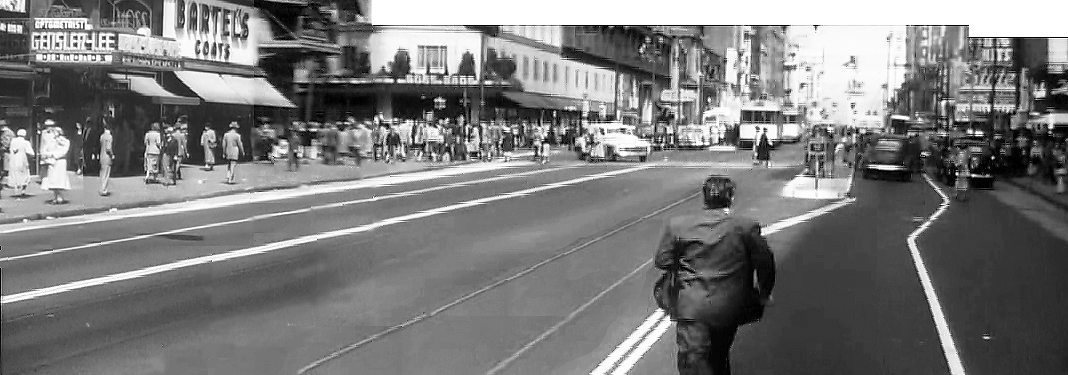
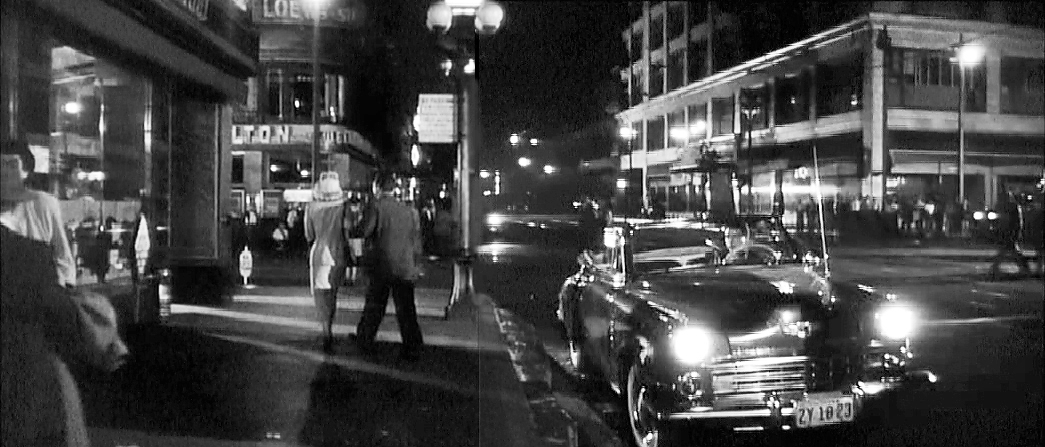
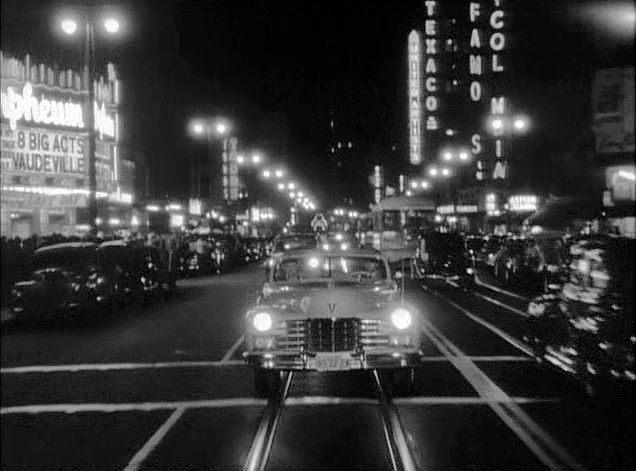
Other wonderful elements include an incredible sequence aboard a city bus, where the gangsters that want to kill O’Brien are following the bus he’s on and you can see them out the window of the bus at night as they stalk him. A beautiful nightmarish sequence. Actually the nighttime photography of downtown L.A. is particularly great, Neville Brand taking O’Brien for a ride especially.
 There is a great wild man jazz sequence that has frenetic performances of Black Jazz musicians that is outstanding. I love musical sequences and this one is a doozy.
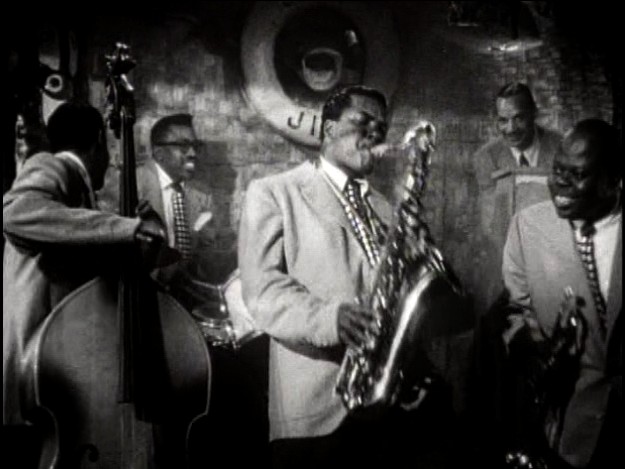
I think it would be educational to compare this sequence to some that Robert Siodmak did, like the crazy jazz jam session in Phantom Lady or the dance scene in Criss Cross. The D.O.A. scene is really great performances, great shots and great editing, Siodmak’s reveal a planned out sequence that works beautifully, it was created in the director’s mind while the D.O.A. scene was put together in the editing room.
Rudolph Mate’ the director of D.O.A. started as a camerman in Europe, shooting such masterpieces as Dreyer’s The Passion Of Joan Of Arc, this is the movie that Anna Karina watches in Godard’s Vivre Sa Vie. Mate’ also directed a film that was a location on another stop of my downtown tour, Union Station, a noir that takes place at perhaps the most iconic downtown L.A. location.
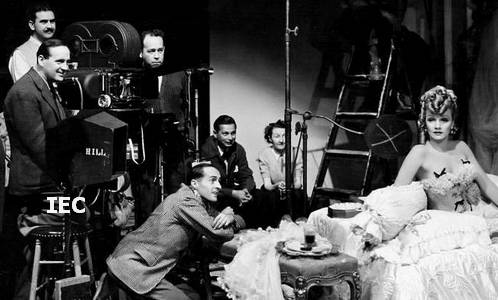
Rudy at the camera films Dietrich
Mate’ was director of photography on many, many classic Hollywood films, Pride Of The Yankees, Dante’s Inferno, Foriegn Correspondent, Stella Dallas, Sahara, Gilda and The Lady From Shanghai, to name just a few. He delivers a fast paced ( 83 minute) gem that never let’s up and has many especially well directed scenes, take for example the final confrontation, at The Bradbury Building. It is shot just like a classic shootout from a Western, incredible.
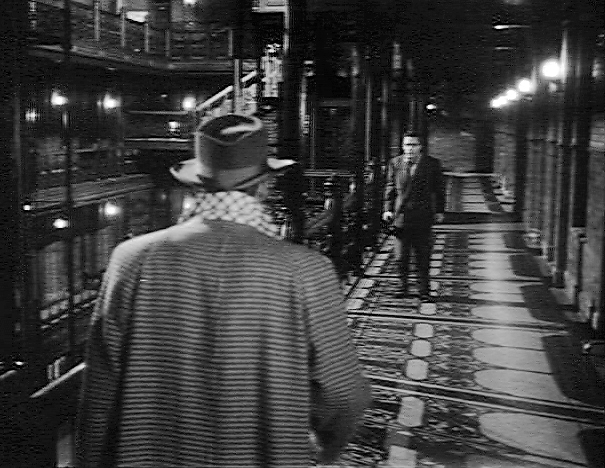
Draw, Motherfucker!
Whenever a director can put another subtext or layer of meaning onto a scene and it is harmonius with the action not obtrusive, it’s a wonderful thing. Watch it for yourself, a film class in 2 minutes. Then there’s Neville Brand, so over the top as Chester the thug or maybe goon is better, Sadistic, simple minded, evil but with a lot of personality.
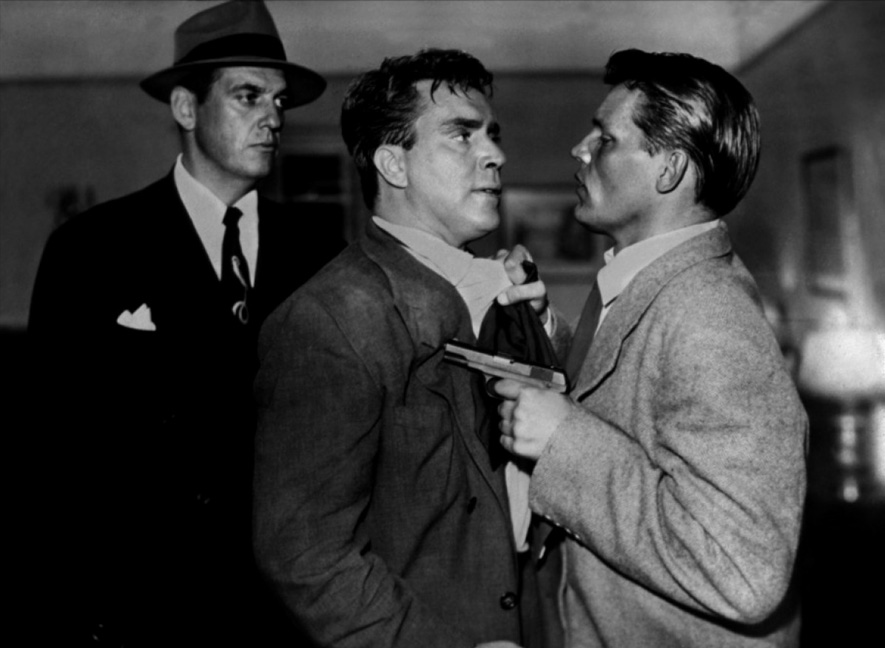
Chester doesn’t like Bigelow. He’s soft in the belly!
I like Neville Brand, check him out in the underrated Eaten Alive by Tobe Hooper. And as Quentin Tarantino once told me, the second most decorated soldier of WWII after Audie Murphy. So check out D.O.A. then go down and visit the Bradbury building, you can park across the street at the Grand Central Market and have lunch.
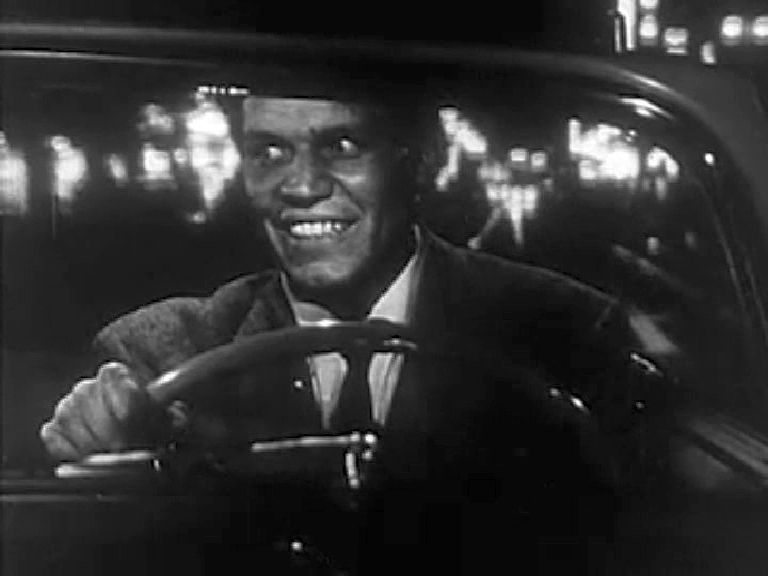
P.S. Here it is on YouTube.
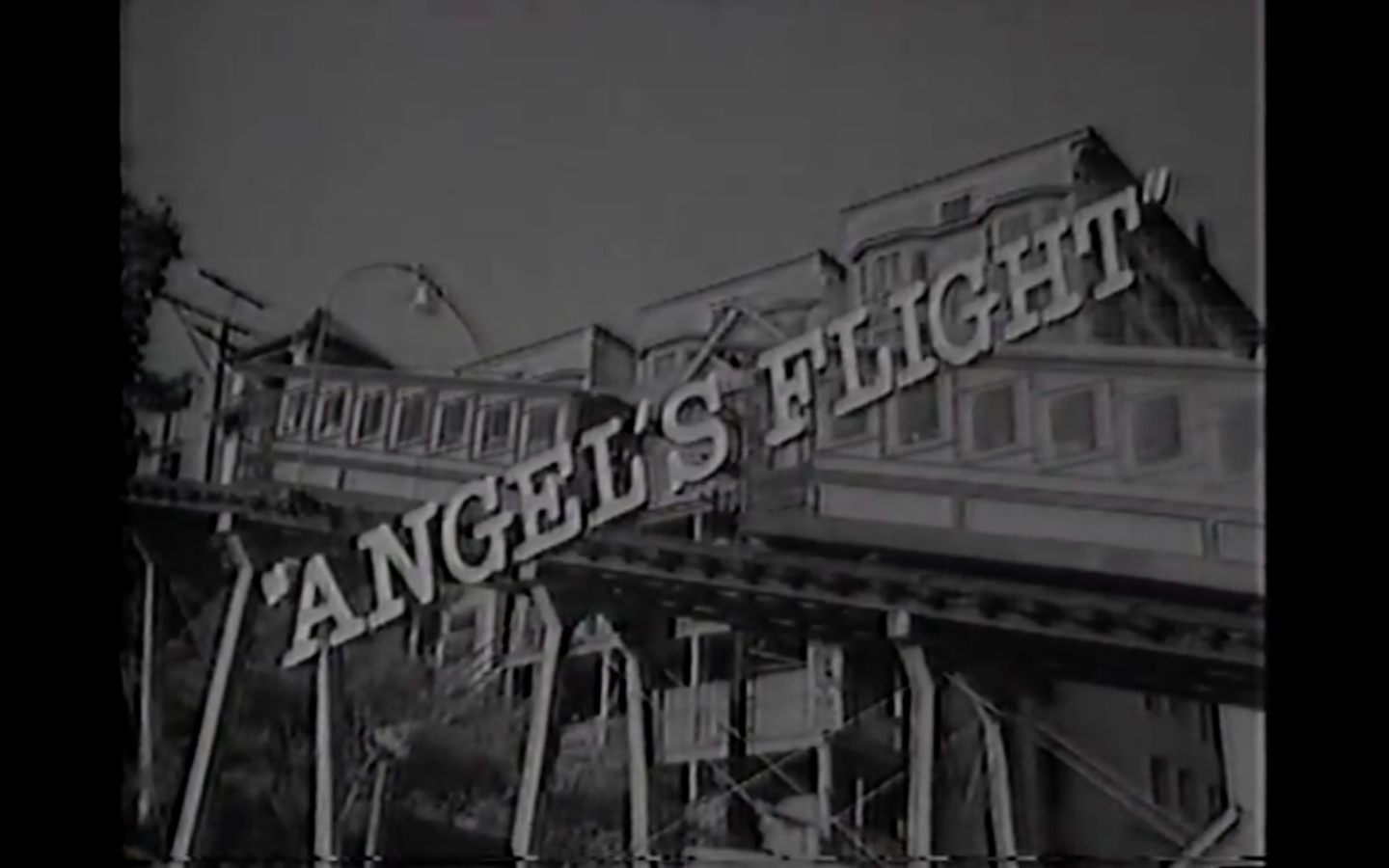
Here is an interesting movie, Angel’s Flight. Shot in L.A. right before the destruction of Bunker Hill, the characters even discuss the immanent annihillation of the neighborhood, one character, a bartender, wishes he could write so he he could immortalize this vanishing part of L.A., the alky writer he’s talking to finally fullfill’s his dream, penning the pulp noir story of Angel’s Flight.
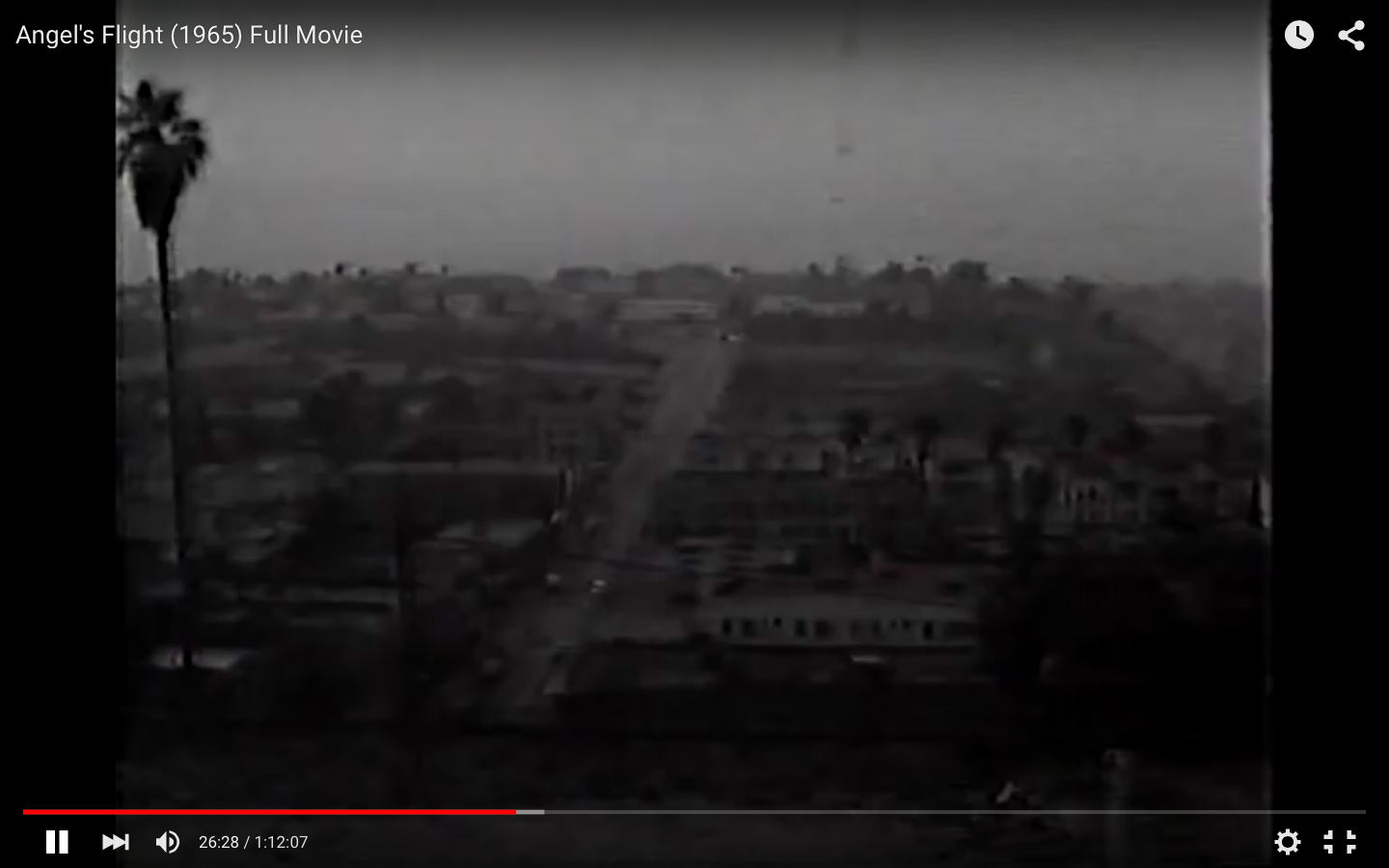
Bunker Hill, Pre-Razing in all it’s seedy glory!
The same motivation the filmmakers had, capturing the sleazey leftovers of Victorian splendor, Bunker Hill. Once home to the rich and powerful, now Manses cut up into rooming houses, the last stop on the trolley of life.
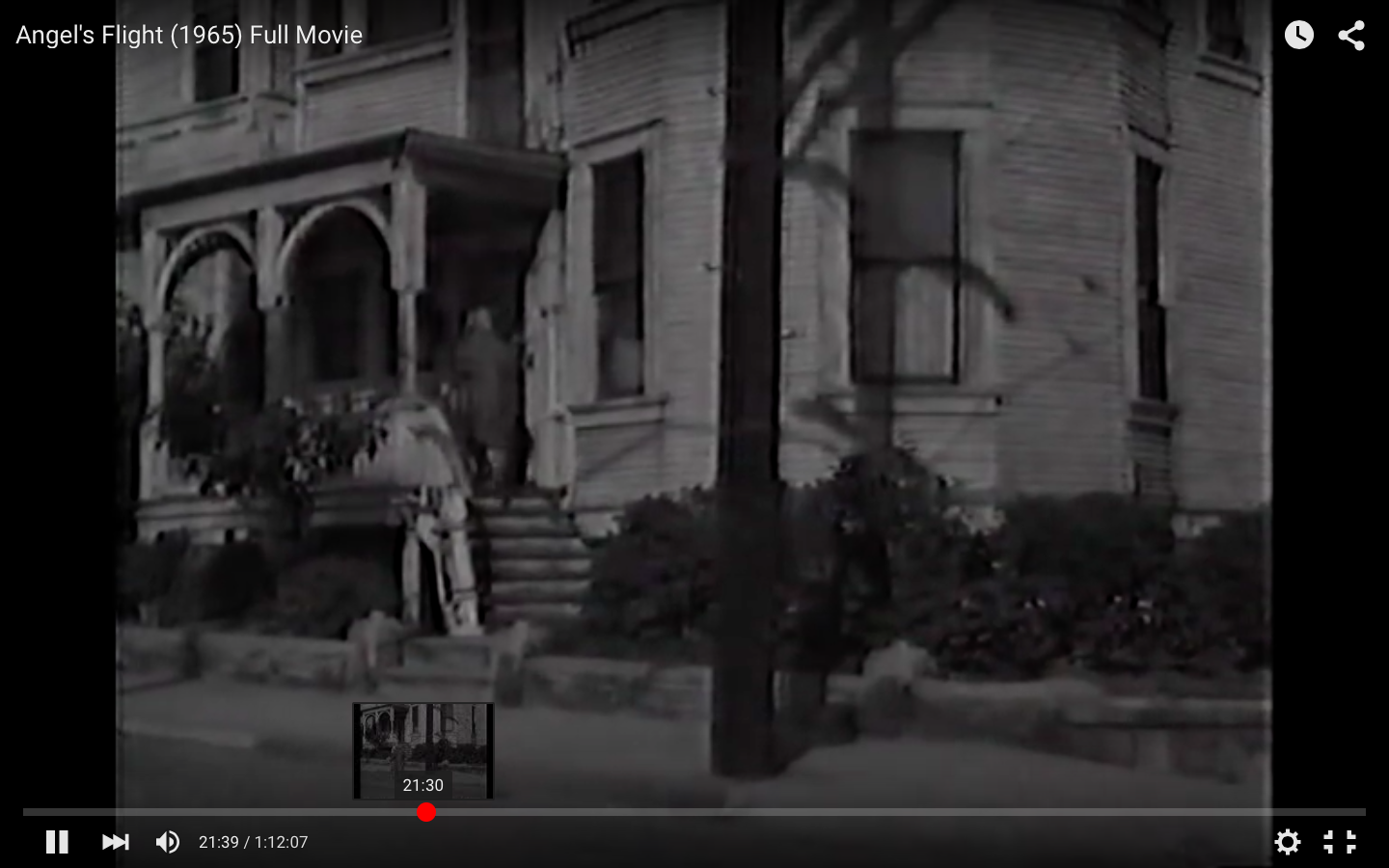
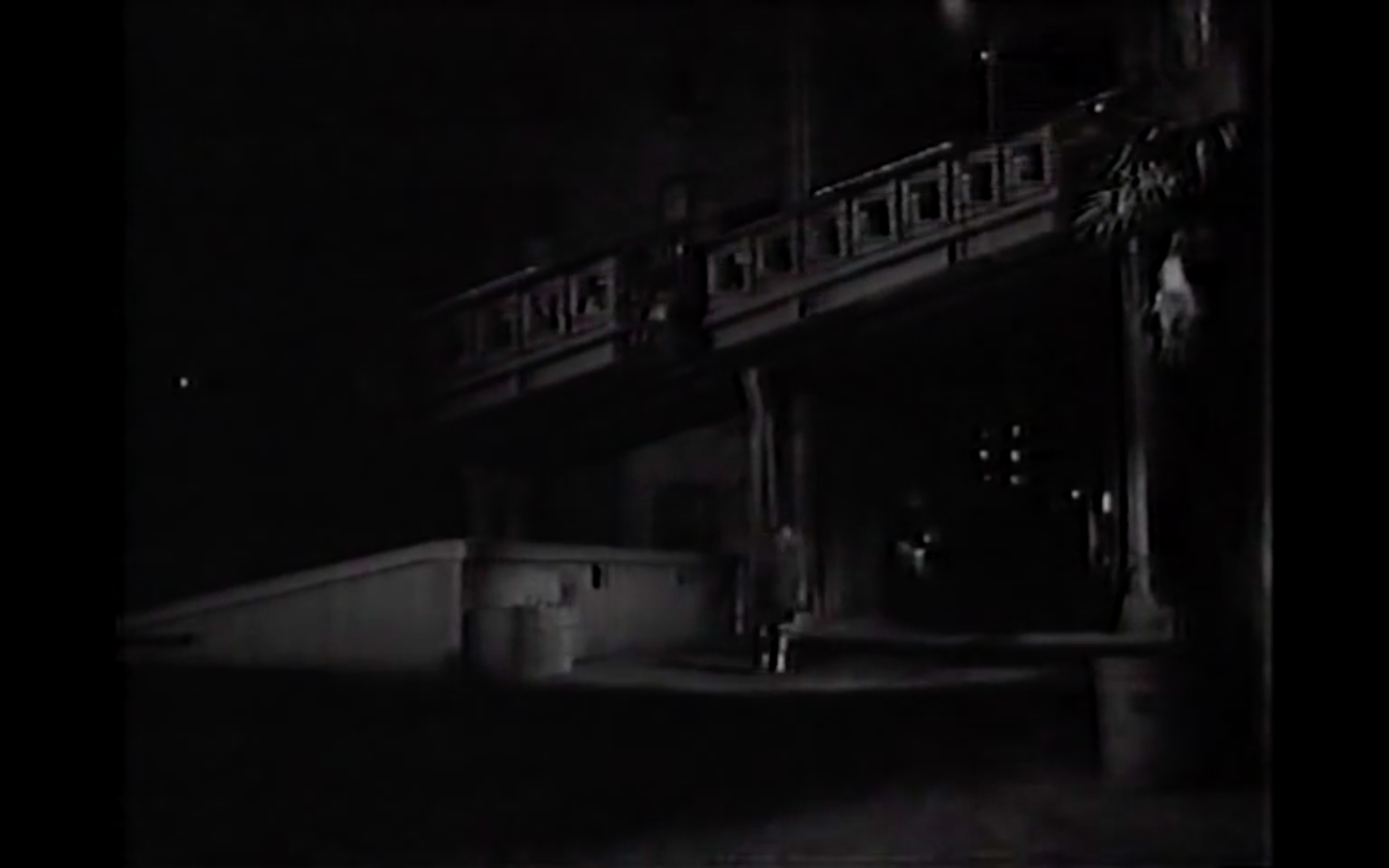
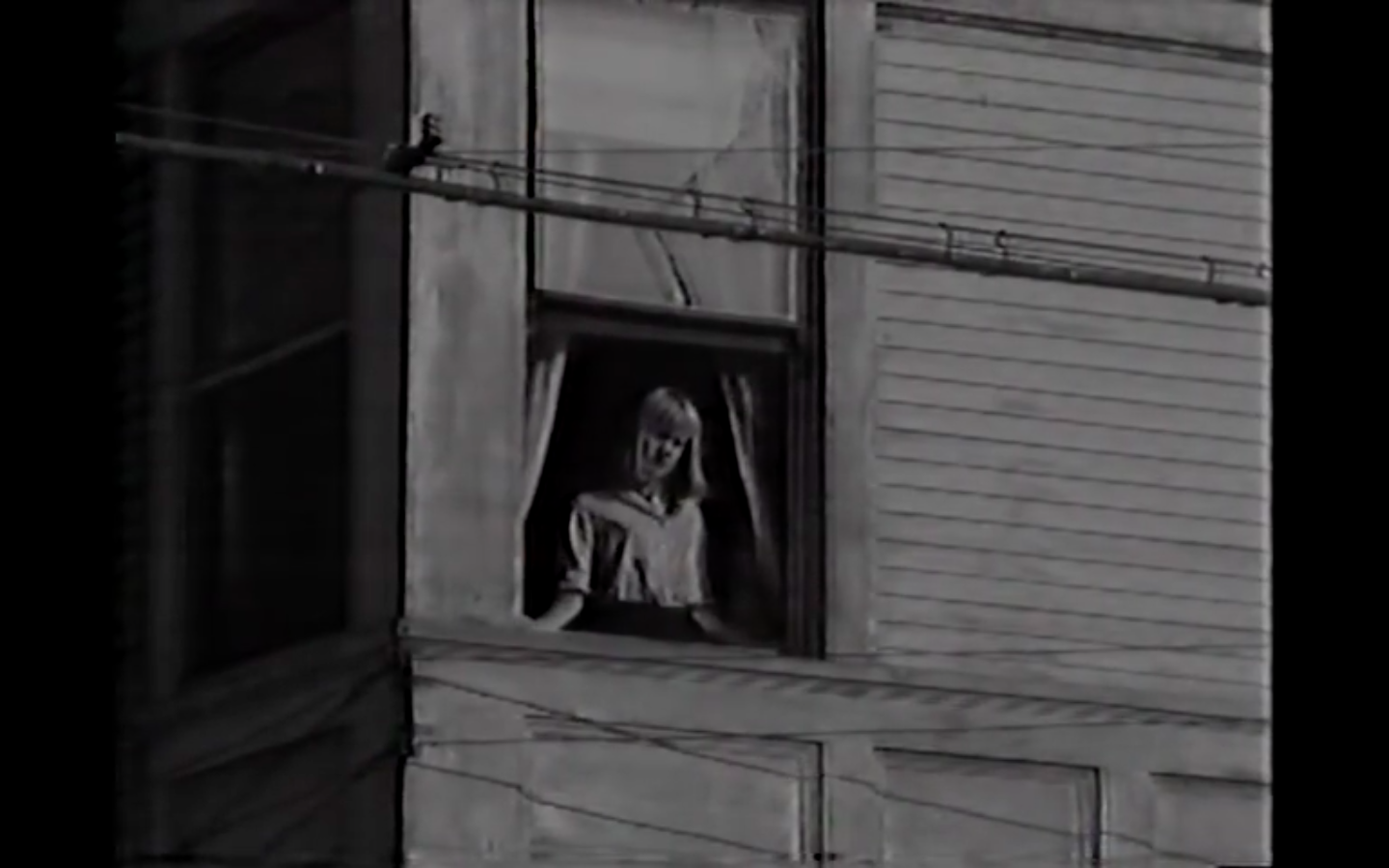
Filmmakers loved this area, check out Kiss Me Deadly, Criss Cross, The Exiles, Little Shop Of Horrors,The Indestructible Man,Act Of Violence, all shot here. This film reminds me of Touch Of Evil, the grimy bars, strippers, juke boxes,gritty streets at dusk, poetry in the trash heap.
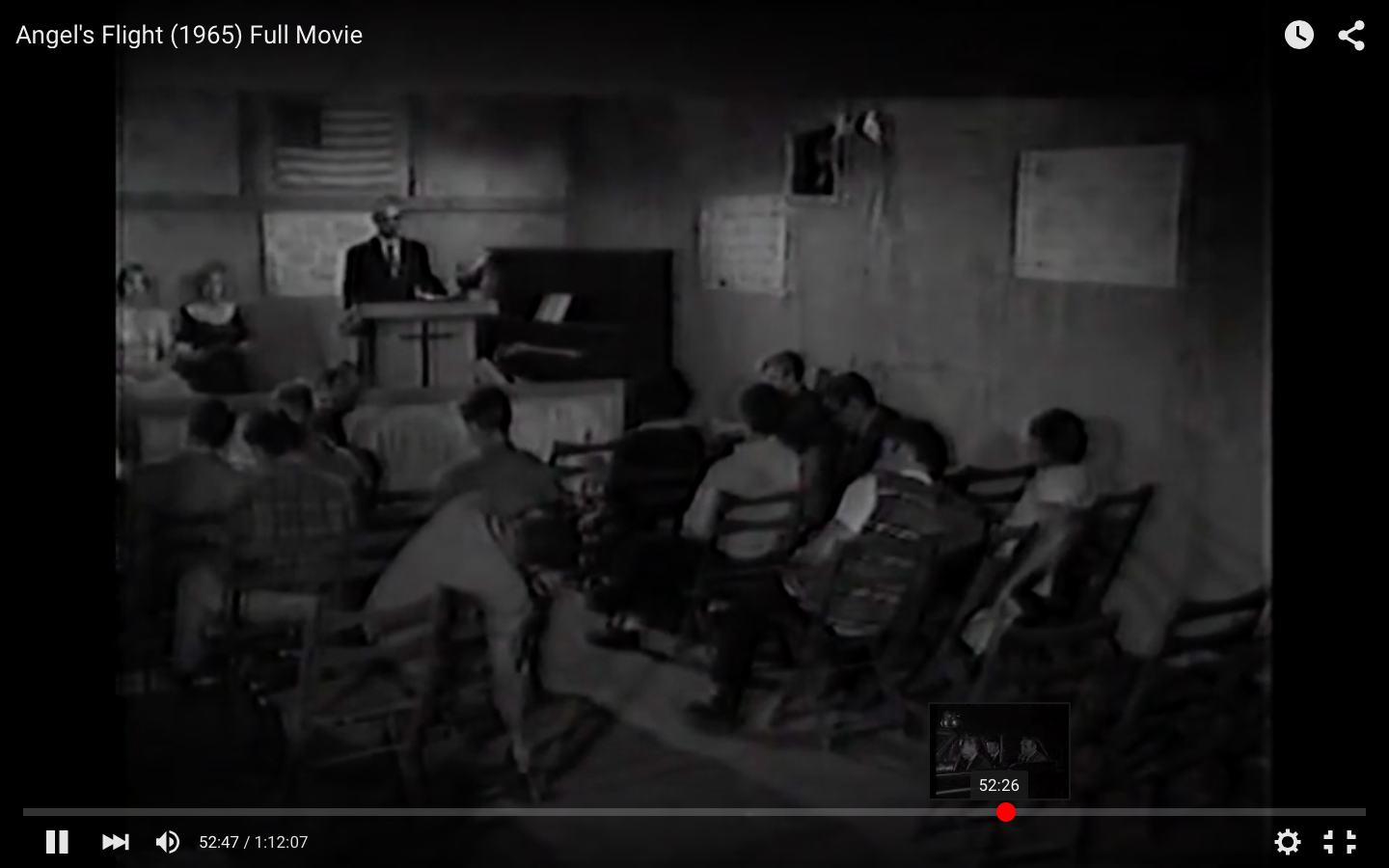
Gimme that old time religion!
There’s even an uptight landlady that is reminiscent of Dennis Weaver’s motel manager from Welle’s classic noir. The story? Beautiful blonde kiler, she was raped as a teen, now she obsesively paints the face of her rapist over and over. She’s a stripper to make ends meet and also to meet men, whom she then dispatches with a straight razor, revenge against the sex of the asshole that raped her. Here comes the Marlboro man, (the writer actually was the first model to represent the Marlboro Man) . He’s a wino, depressed over the death of his wife, he witnesses a murder but was too drunk to know if it really happened.
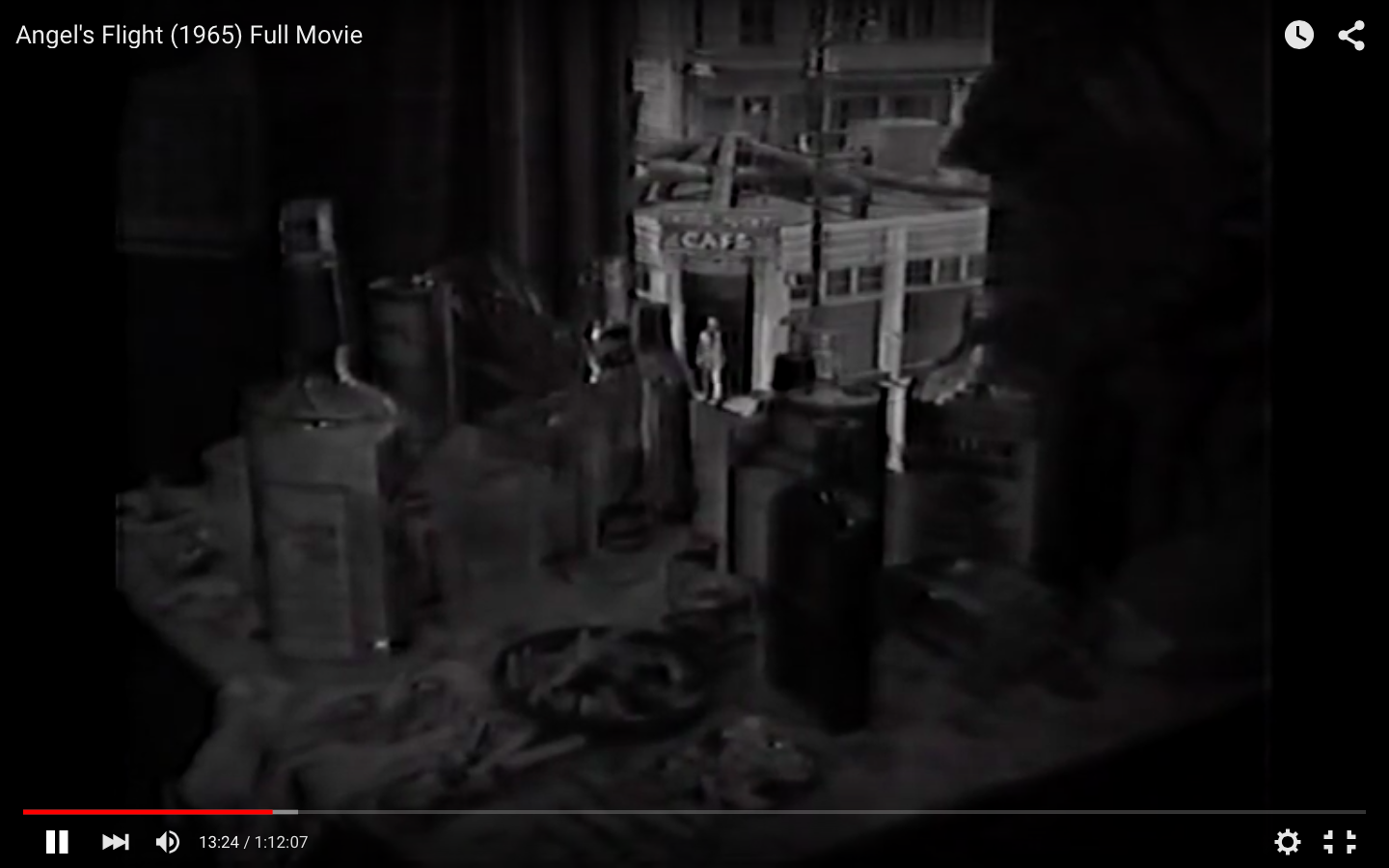
One of my favorite shots in the movie!
The girl is all mixed up, religious, she goes to church and to a Skid Row Ministry, but anytime a guy puts the moves on her, ZZZZT out comes the razor, kind of like GoGo in Kill Bill.
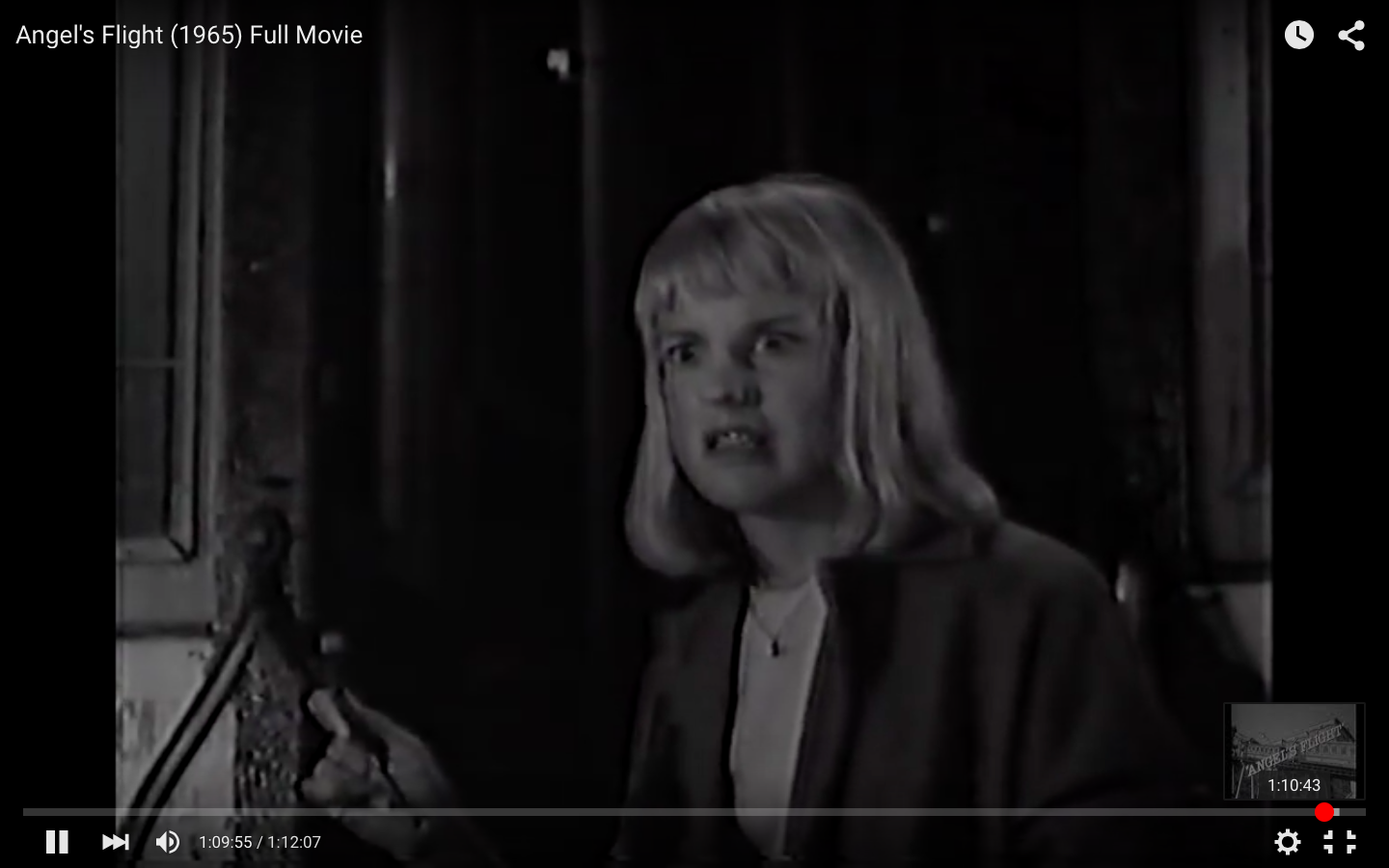
I’ll cut your ass!
Writer falls for beautiful killer but it’s too late baby. Great idiotic ending on Angel’s Flight. Guess what happens.
Tracks Of Death!
There’s a killing in the 3rd street tunnel, a beautiful spot you can still visit and a lot of crummy Bunker Hill rooming houses right next to Angel’s Flight, maybe where John Fante lived and wrote Ask The Dust.
What can I say, I love movies that are shot in places that no longer exist, the stuff that dreams are made of,here’s a chance to time travel.
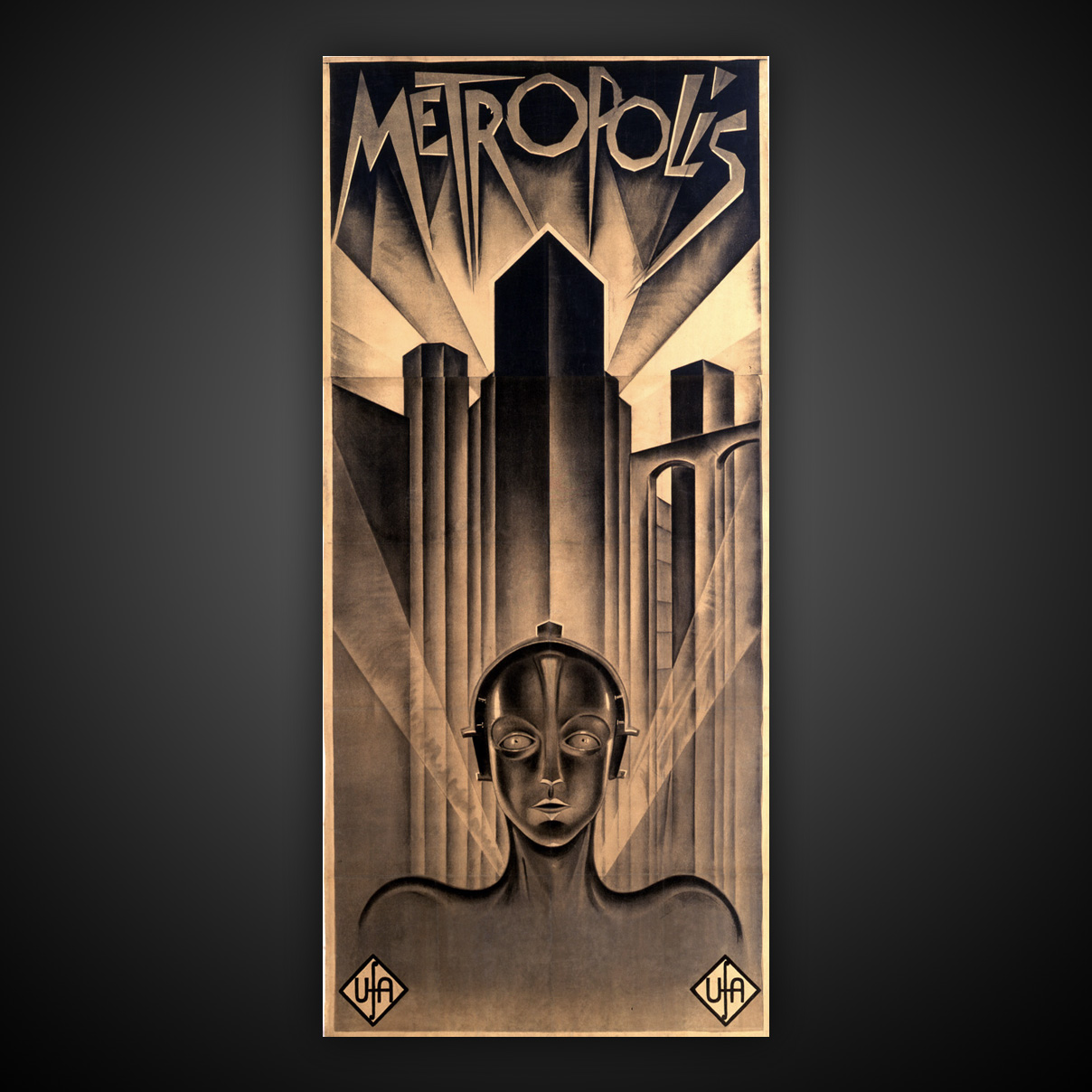
Here is a very informative documentary about early German Cinema in general and Metropolis in particular. Fritz Lang said he never paid any attention to the critics, maybe he had something there, Metropolis was panned when it came out. I read somewhere that Lang was still editing the last reels of Metropolis while the first reels were being projected at the Premier, a motorcycle messenger would race with the reels to the theater as Lang finished them! This outdoes Michael Mann for editorial craziness and gives credence to the old saying “Films aren’t finished they’re abandoned”. Anyway if you are interested in the great Expressionist heritage of German Cinema check it out.
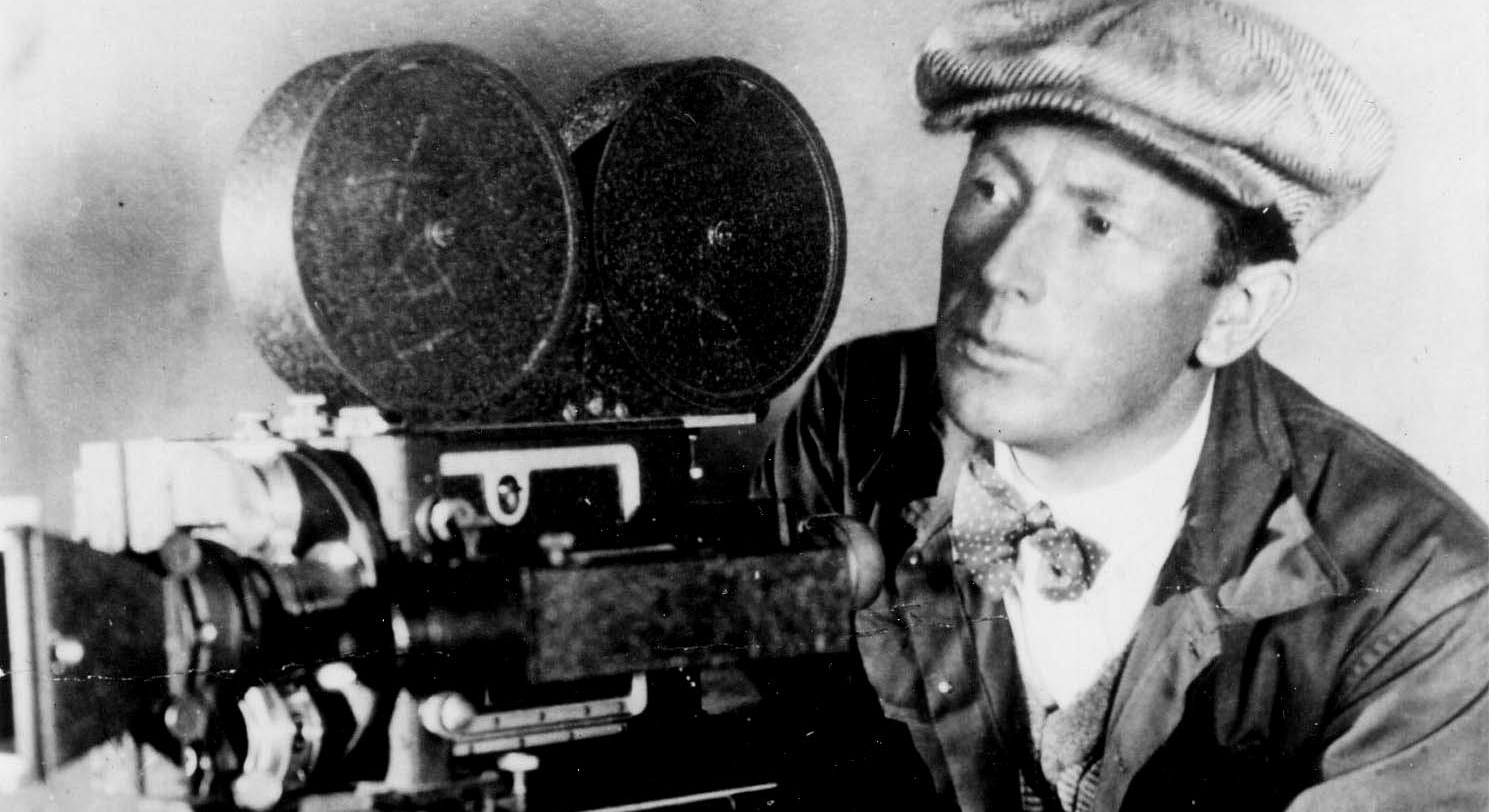
Here is a great documentary about German film director F.W. Murnau and the making of his early masterpiece, Nosferatu. Recently Murnau’s grave was broken into and his head was taken, authorities reported finding melted wax at the location and a possible “occult” connection was made.
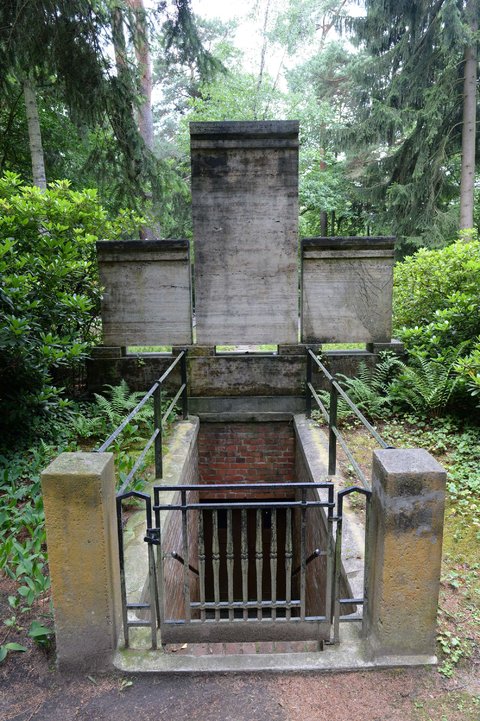
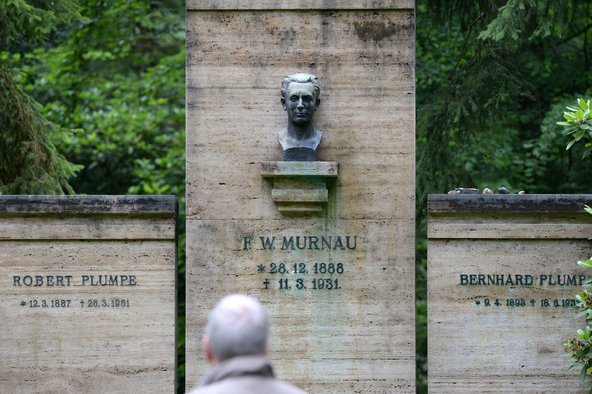
Could a group of Satanists or Magick practitioners have made off with Murnau’s head? and why? Probably because he is the man that created Nosferatu, those indelible images of the bald, animalistic vampire.
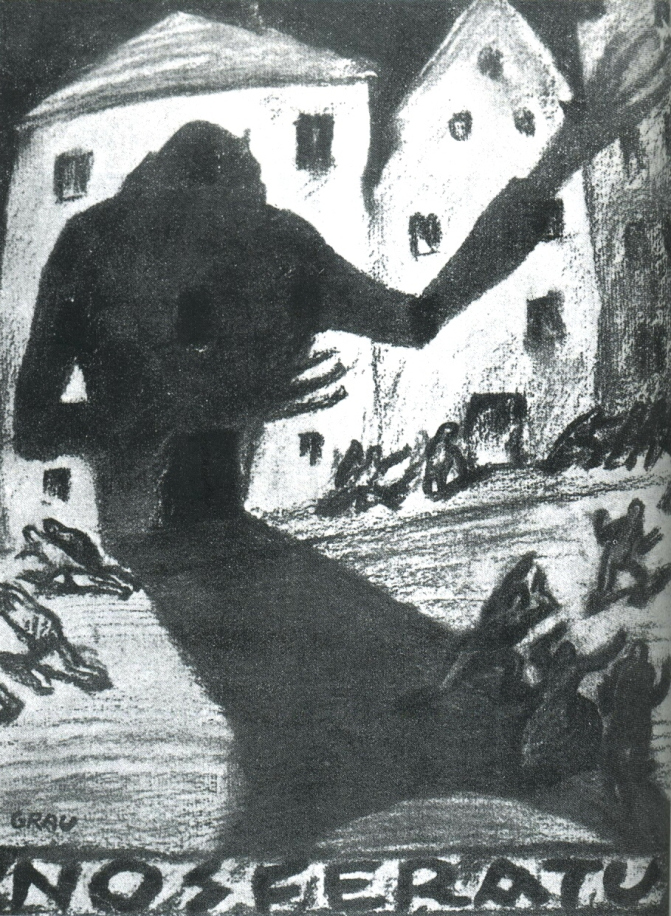
In this great documentary an expert on the occult, Wolfgang Kistermann testifies that the producer of Nosferatu and founder of Prana films, Albin Grau, was a leader in German occult societies and had dealings with the O.T.O. , the group led by Aliester Crowley.
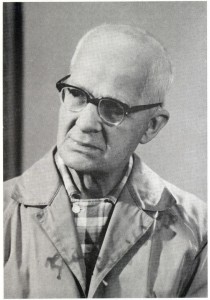
Albin Grau
Perhaps this secret society is still active in Germany? Perhaps they are responsible for the violation of Murnau’s grave and the theft of his kopf? I read an interview with Murnau’s brother, he travelled to Tahiti, where Murnau had made his last film, Tabu. The Tahitians told him Murnau had offended their Gods by building a mansion on a tabu site, a place the Tahitians shunned, and the Gods had caused his untimely death in an automobile accident.